
TaperMode
All style references
Blowout taperRegular upkeep

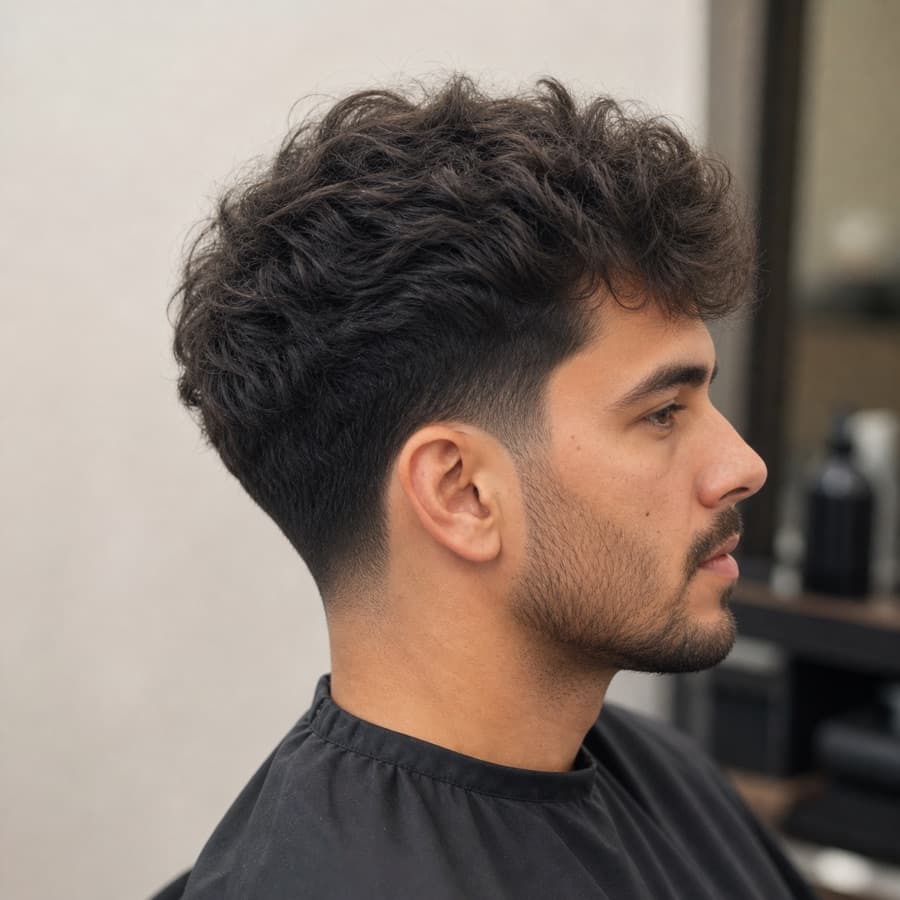
Blowout Taper with Textured Fringe

A trend-focused version that combines airy blowout volume with a loose textured fringe and a clean taper below.

Texture labels organize the catalogue; they are not a suitability prediction.

Generated three-quarter profile of a blowout taper with textured fringe.Generated illustration
Illustrative only—not a preview of your result. This image has not been barber reviewed, and one angle cannot show the full transition, neckline, or growth pattern.

Three-question conversation check

Will this work for me?

Compare your routine with the catalogue tags, then carry the useful context into your private barber brief. This is a starting point—not a suitability score or result prediction.

0 of 3 answered

What is your hair texture?
Which face shape is your closest starting point?
How often are you comfortable refreshing the cut?

Answer all three questions to see the catalogue signals and the exact adaptations worth discussing.

Plain-language starting points

What you could discuss

These are editable prompts, not exact instructions or a substitute for an in-person consultation.

  1. 1

    I want a blowout taper with a textured fringe.

  2. 2

    Keep the fringe long enough to fall forward but still look airy.

  3. 3

    Use texture on top without thinning it out too much.

  4. 4

    Keep the taper clean around the ears and neckline.

Add current length, routine, and keep/avoid outcomes in the full builder.

Build editable brief

What the catalogue description is trying to show

  • The fringe should be textured with movement, not cut into a blunt Edgar edge.
  • Volume near the crown keeps the fringe from looking flat.

Upkeep and styling considerations

  • Dry the fringe forward, then lift the crown with fingers.
  • Avoid heavy pomade because it will separate the fringe.
  • Trim the front before it starts covering the eyes.

Compare another direction

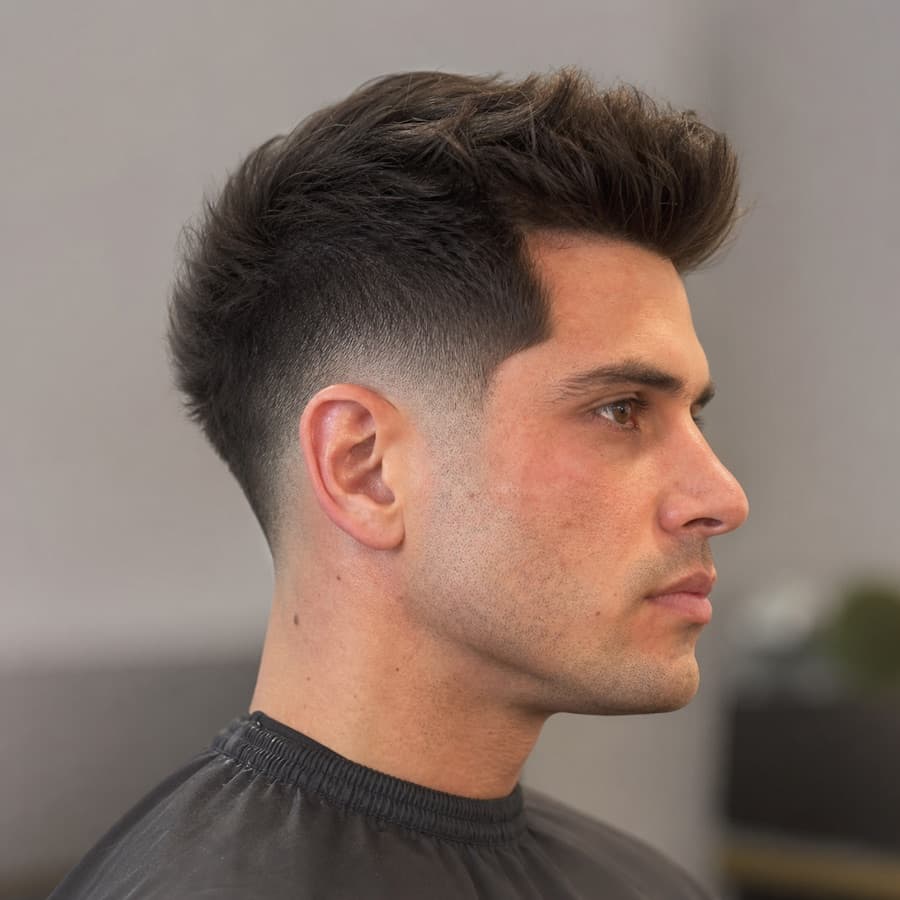
Related catalogue references

These links are based on shared catalogue tags and hand-authored variation links, not observed user preference.

All references