Generated illustrationskin fade
Frequent upkeepstraight + wavy
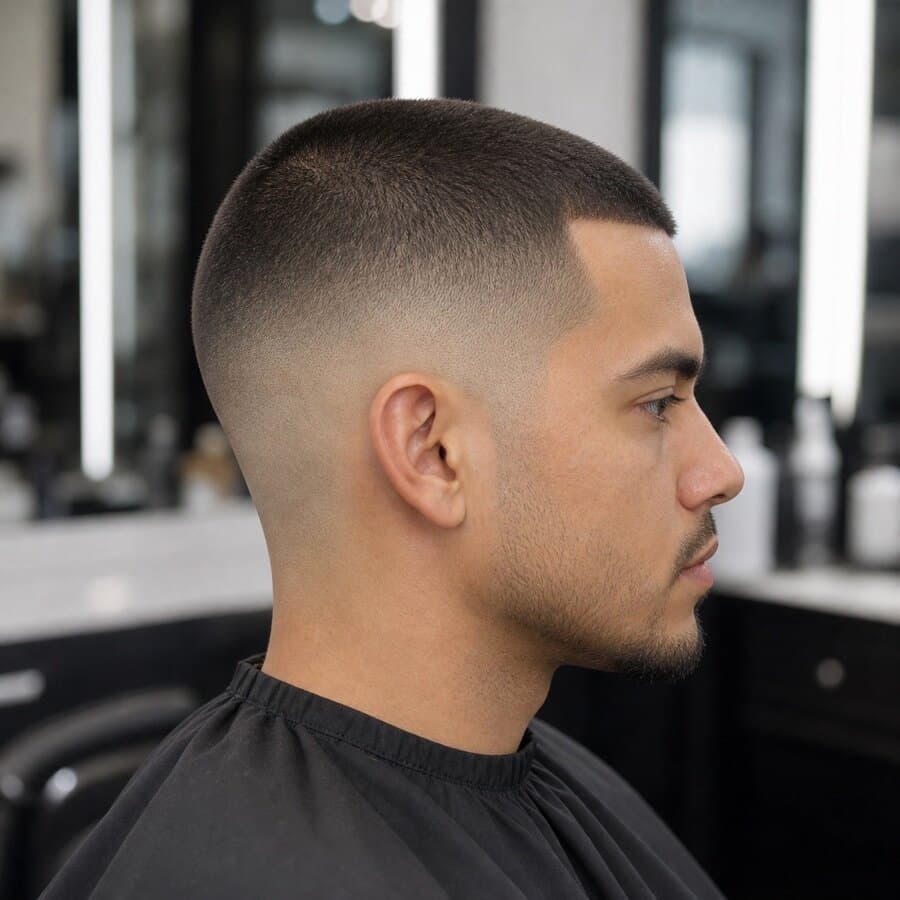
Buzz Cut Fade
A short buzz cut blended into a fade, built for a clean low-maintenance top and a sharp perimeter.
Illustrative only. Not a prediction or barber-reviewed reference.
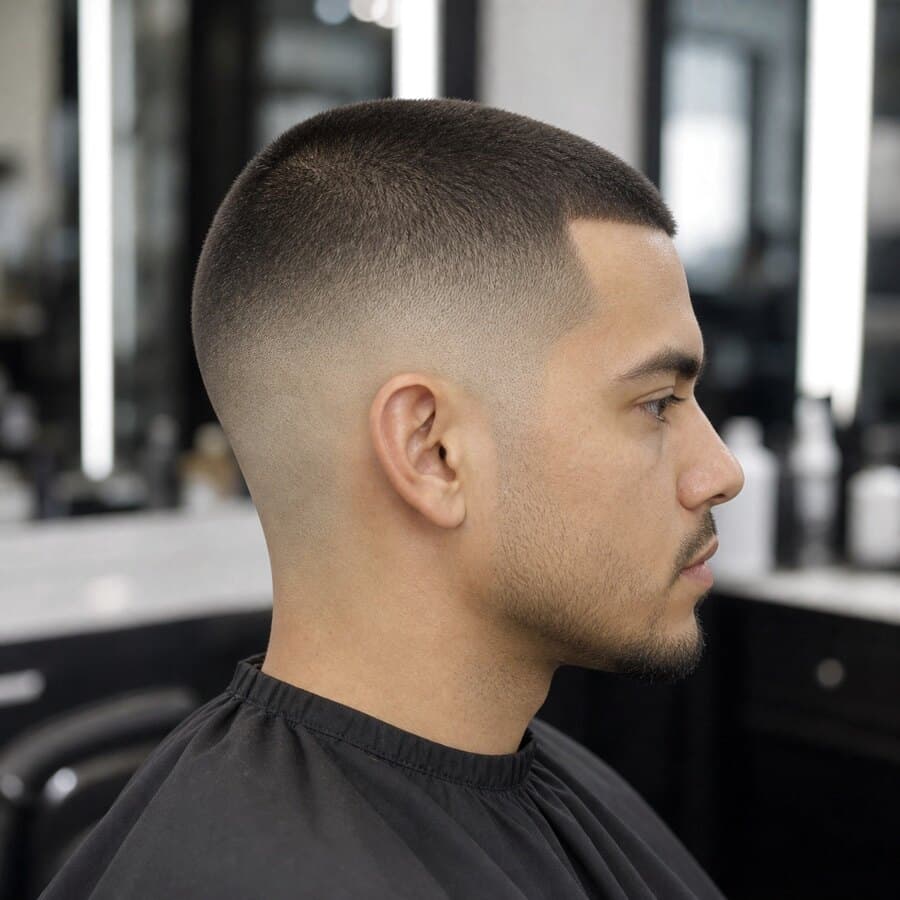
A buzz cut with the fade kept low, giving a cleaner edge without exposing as much of the side.
Texture labels organize the catalogue; they are not a suitability prediction.
 Generated illustration
Three-question conversation check
Compare your routine with the catalogue tags, then carry the useful context into your private barber brief. This is a starting point—not a suitability score or result prediction.
0 of 3 answered
Answer all three questions to see the catalogue signals and the exact adaptations worth discussing.
Plain-language starting points
These are editable prompts, not exact instructions or a substitute for an in-person consultation.
Use Buzz Cut Low Fade as the starting reference.
Keep the fade low around the sideburns and neckline.
Keep the buzz length even and slightly longer than a skin-tight top.
Please adjust the finish after checking my current length, density, and growth pattern.
Add current length, routine, and keep/avoid outcomes in the full builder.
Build editable briefCompare another direction
These links are based on shared catalogue tags and hand-authored variation links, not observed user preference.
A short buzz cut blended into a fade, built for a clean low-maintenance top and a sharp perimeter.
Illustrative only. Not a prediction or barber-reviewed reference.
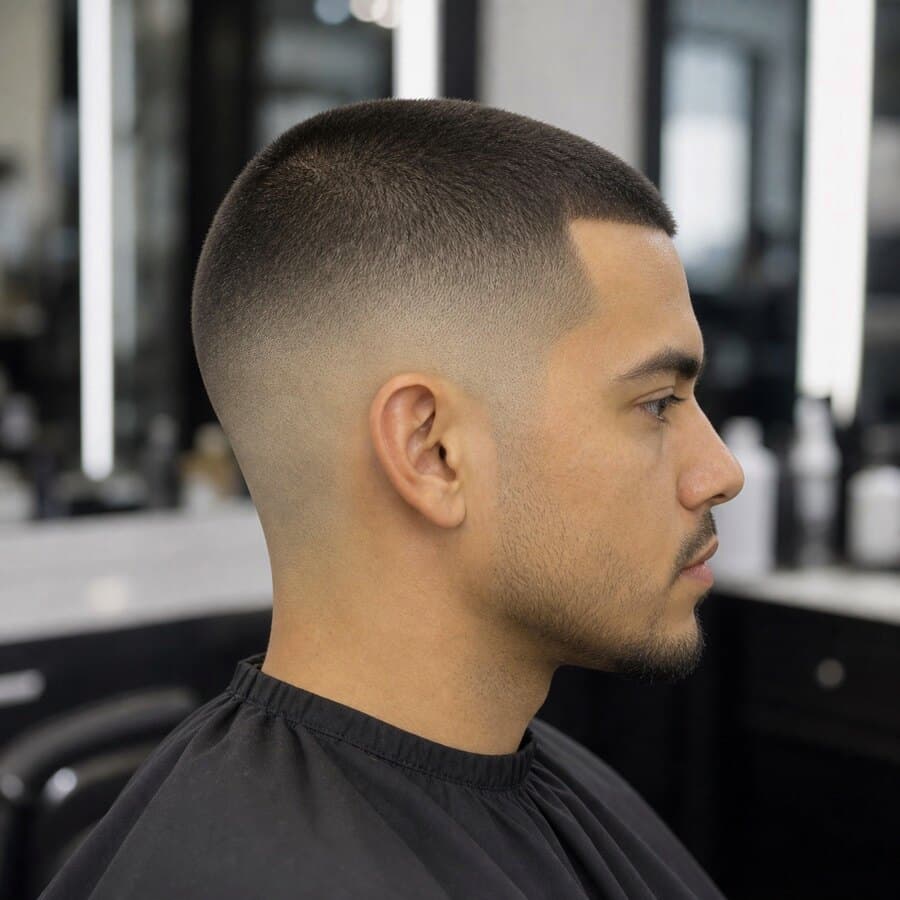
A buzz cut with a low taper around the sideburns and neckline, giving clean edges without a full side fade.
Illustrative only. Not a prediction or barber-reviewed reference.
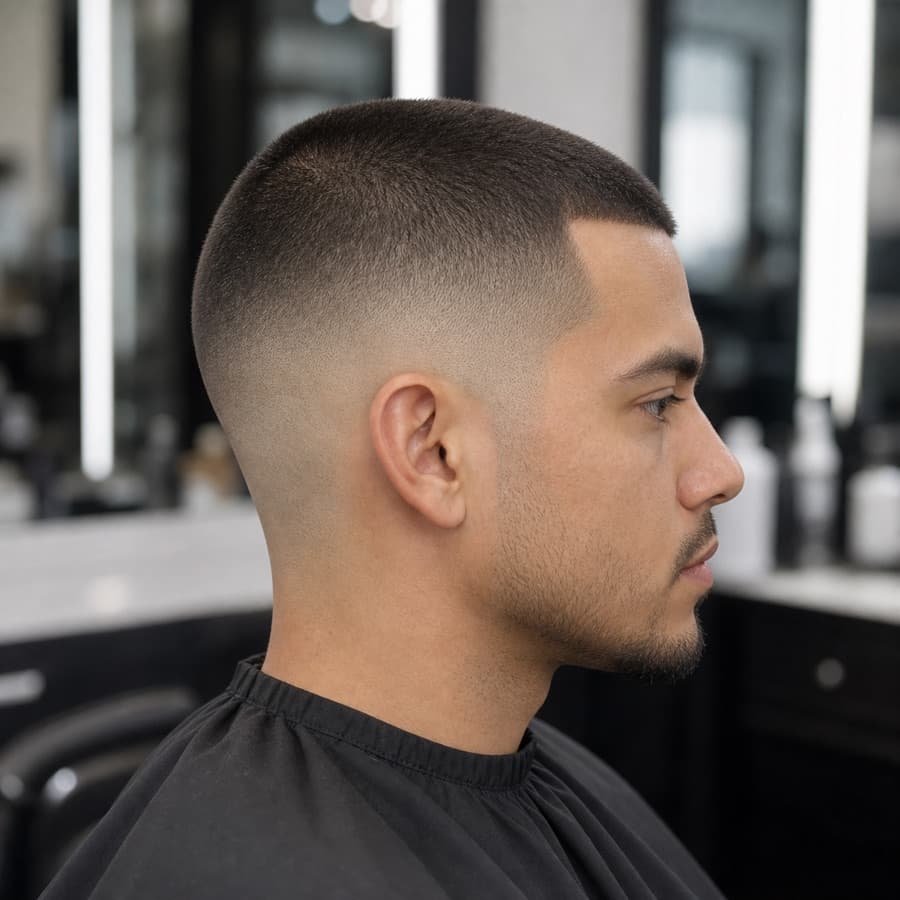
A minimal buzz cut with a bald fade on the sides, built for clean lines, easy styling, and regular upkeep.
Illustrative only. Not a prediction or barber-reviewed reference.
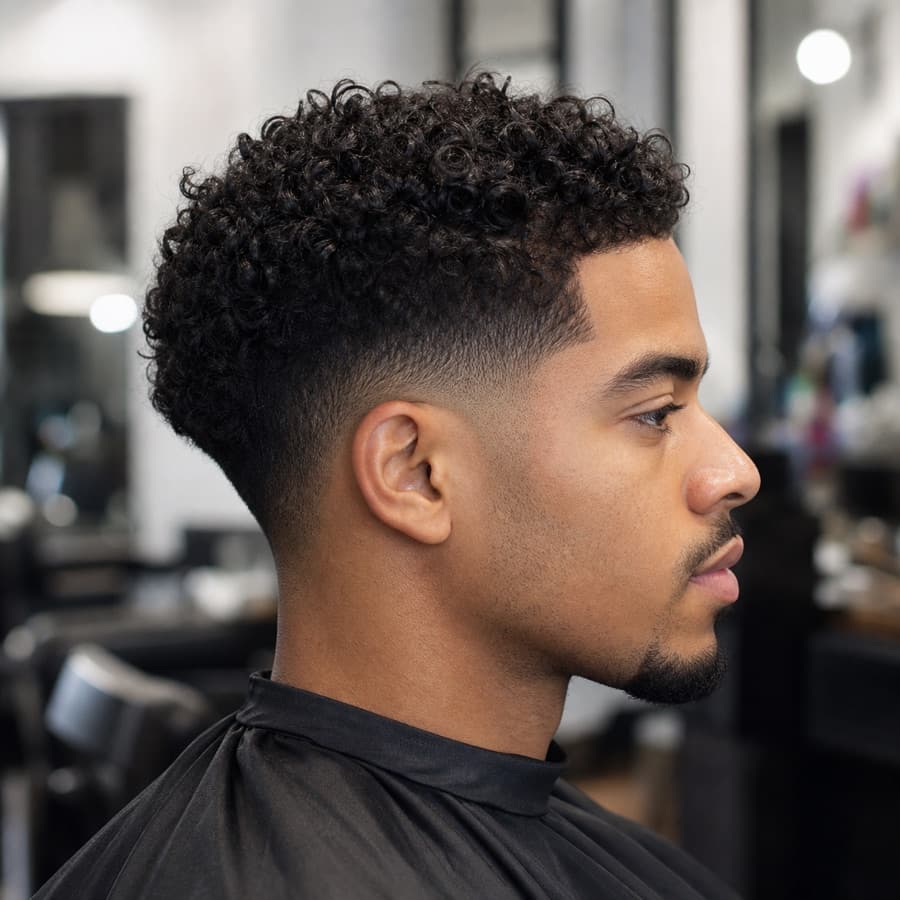
A low temple and neckline taper that keeps the sides clean while leaving enough curl height on top to show natural shape.
Illustrative only. Not a prediction or barber-reviewed reference.