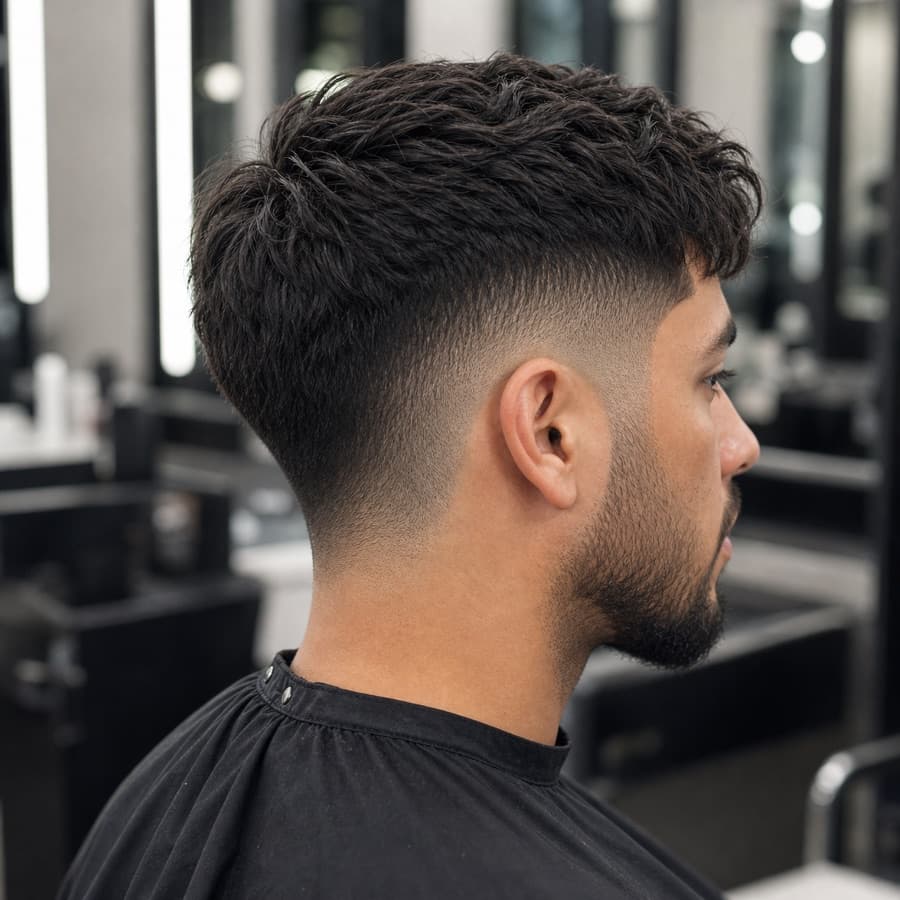
Generated illustrationDrop fade
Regular upkeepstraight + wavy
Drop Fade
A fade that drops lower behind the ear, following the head shape for a curved, more sculpted silhouette.
Illustrative only. Not a prediction or barber-reviewed reference.
A low fade that dips behind the ear, following the head shape while keeping the overall haircut conservative.
Texture labels organize the catalogue; they are not a suitability prediction.
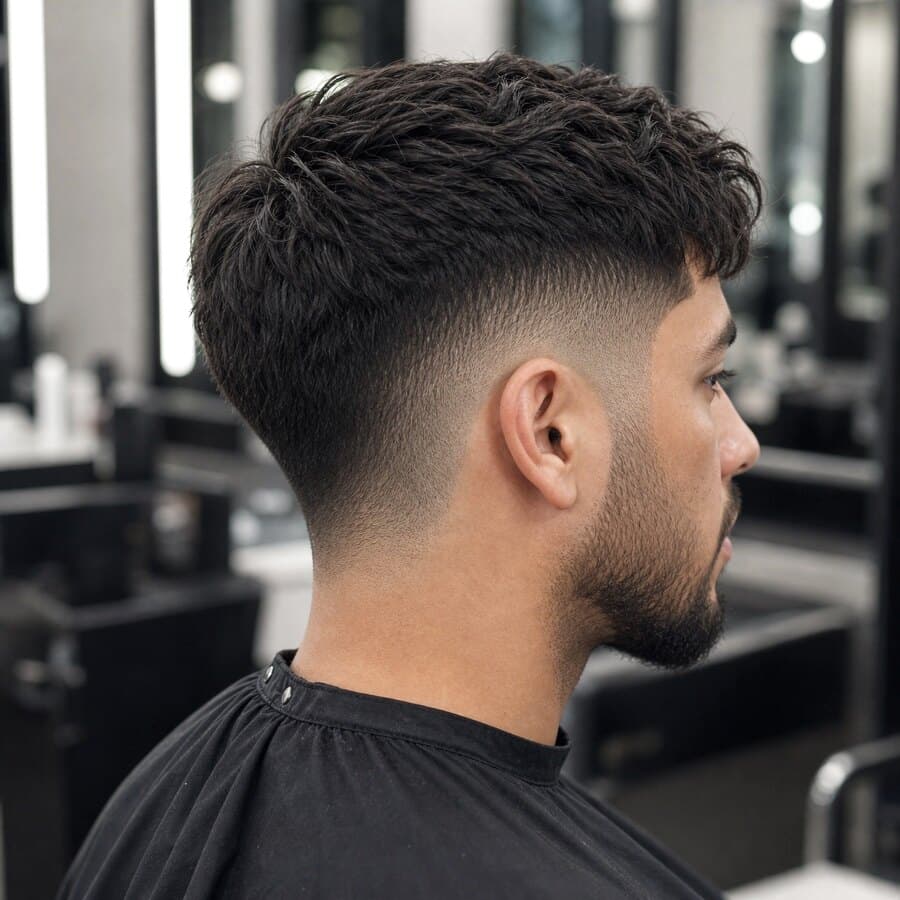 Generated illustration
Cut notes
Side
Back
Versus its nearest sibling
The same curved line behind the ear, started lower.
Week 1
The dip behind the ear is crisp; stubble returns at the base within days.
Weeks 2–3
The back curve softens first, because that is where the fade is shortest.
Weeks 3–4
Re-fade to bring back the curve; the front still looks tidy for longer.
Longer
The low start grows out gently, so it is one of the easier fades to stretch.
Based on average growth of about 1 to 1.25 cm a month. Yours may be faster or slower.
Three-question conversation check
Compare your routine with the catalogue tags, then carry the useful context into your private barber brief. This is a starting point—not a suitability score or result prediction.
0 of 3 answered
Answer all three questions to see the catalogue signals and the exact adaptations worth discussing.
Plain-language starting points
These are editable prompts, not exact instructions or a substitute for an in-person consultation.
Use Low Drop Fade as the starting reference.
Keep the fade low and let it drop behind the ear instead of running straight back.
Leave enough top weight to balance the curved lower fade.
Please adjust the finish after checking my current length, density, and growth pattern.
Add current length, routine, and keep/avoid outcomes in the full builder.
Build editable briefCompare another direction
These links are based on shared catalogue tags and hand-authored variation links, not observed user preference.
A fade that drops lower behind the ear, following the head shape for a curved, more sculpted silhouette.
Illustrative only. Not a prediction or barber-reviewed reference.
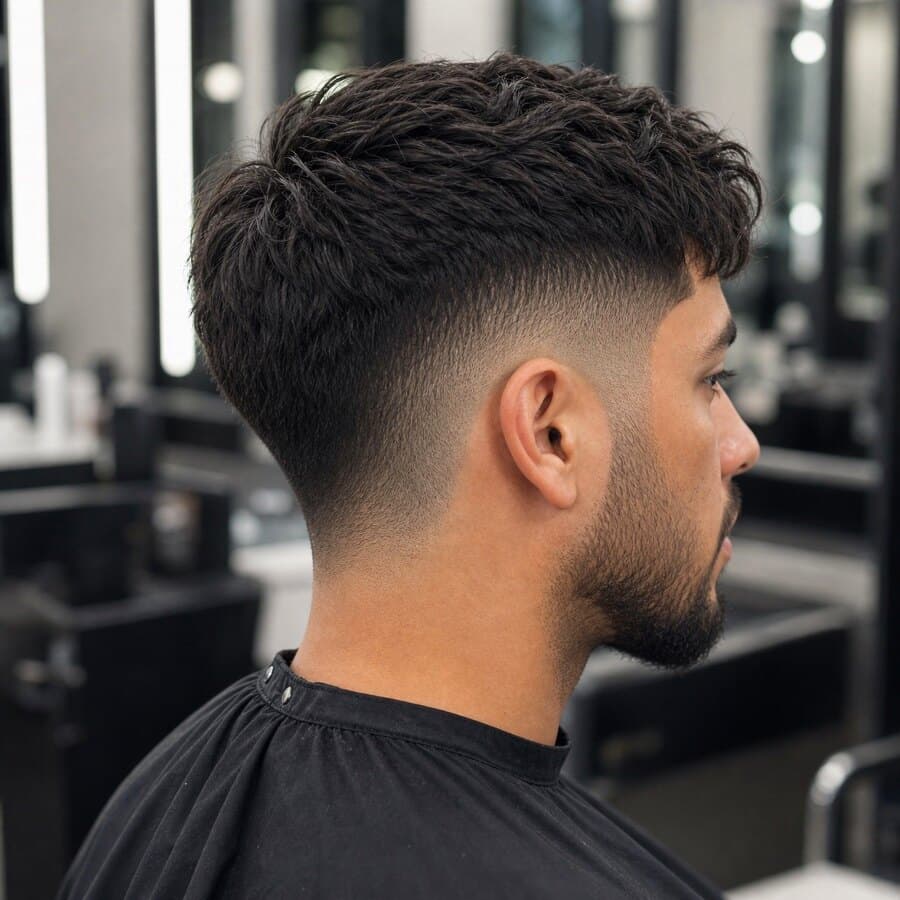
A more visible drop fade that sits around the middle of the side and curves lower toward the back.
Illustrative only. Not a prediction or barber-reviewed reference.
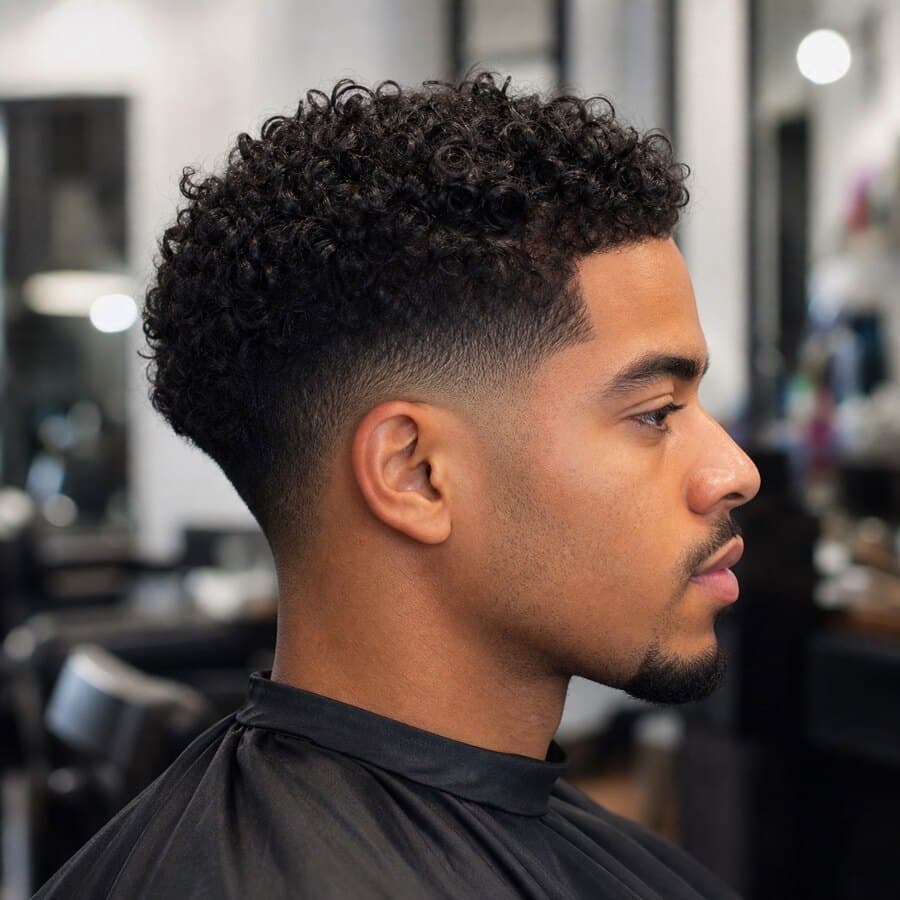
A curved drop fade that removes side bulk while letting curls keep height and shape on top.
Illustrative only. Not a prediction or barber-reviewed reference.
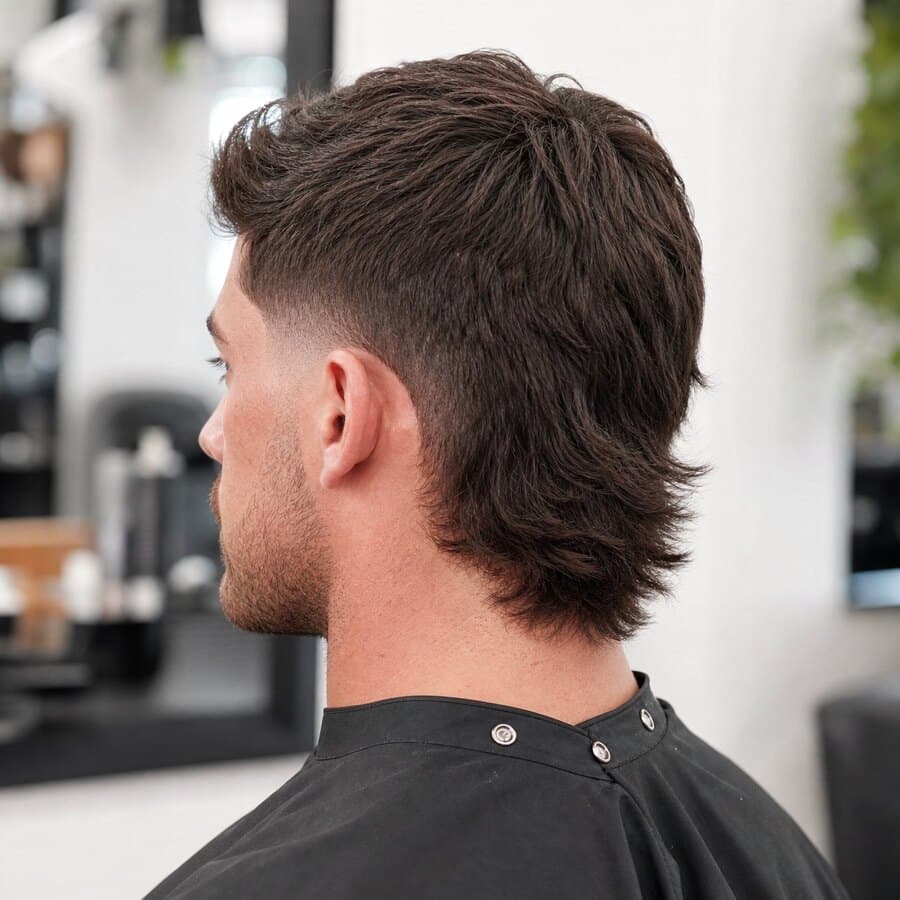
A mullet shape with a drop fade that follows the head into the back instead of using a tight burst around the ear.
Illustrative only. Not a prediction or barber-reviewed reference.