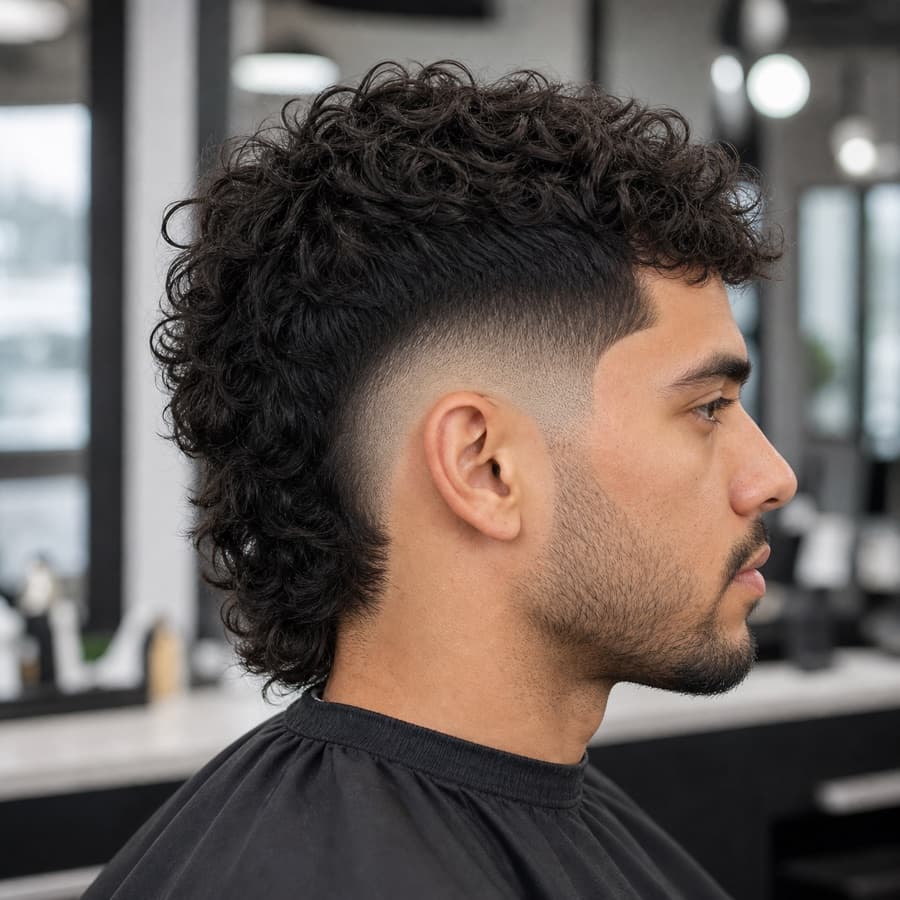
Generated illustrationBurst fade
Regular upkeepcurly + coily
Burst Fade
A fade that arcs around the ear, often paired with curls, mohawks, mullets, or textured tops.
Illustrative only. Not a prediction or barber-reviewed reference.
A softer burst fade that keeps the arc low around the ear, useful when you want shape without a dramatic high fade.
Texture labels organize the catalogue; they are not a suitability prediction.
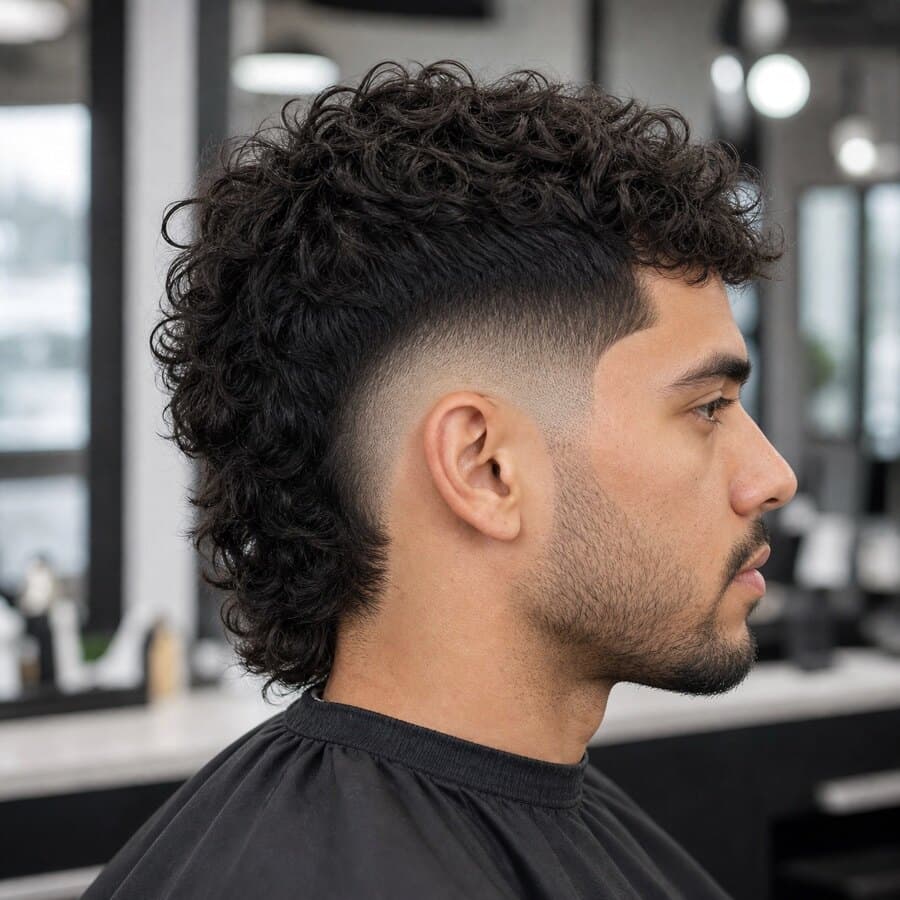 Generated illustration
Cut notes
Side
Back
Versus its nearest sibling
Same curved shape around the ear, kept smaller and lower.
Week 1
The arc is clean; stubble shows next to the ear after a few days.
Weeks 2–3
Because the arc is small, it fills in quickly and starts to look like a plain taper.
Weeks 3–4
Clean up the ear area to bring the curve back; the top usually doesn't need cutting yet.
Longer
The low arc grows out more gently than a high burst, so stretching a cut is less obvious.
Based on average growth of about 1 to 1.25 cm a month. Yours may be faster or slower.
Three-question conversation check
Compare your routine with the catalogue tags, then carry the useful context into your private barber brief. This is a starting point—not a suitability score or result prediction.
0 of 3 answered
Answer all three questions to see the catalogue signals and the exact adaptations worth discussing.
Plain-language starting points
These are editable prompts, not exact instructions or a substitute for an in-person consultation.
Use Low Burst Fade as the starting reference.
Keep the burst low around the ear with a soft curve into the neckline.
Leave the top natural and avoid cutting high into the side shape.
Please adjust the finish after checking my current length, density, and growth pattern.
Add current length, routine, and keep/avoid outcomes in the full builder.
Build editable briefCompare another direction
These links are based on shared catalogue tags and hand-authored variation links, not observed user preference.
A fade that arcs around the ear, often paired with curls, mohawks, mullets, or textured tops.
Illustrative only. Not a prediction or barber-reviewed reference.
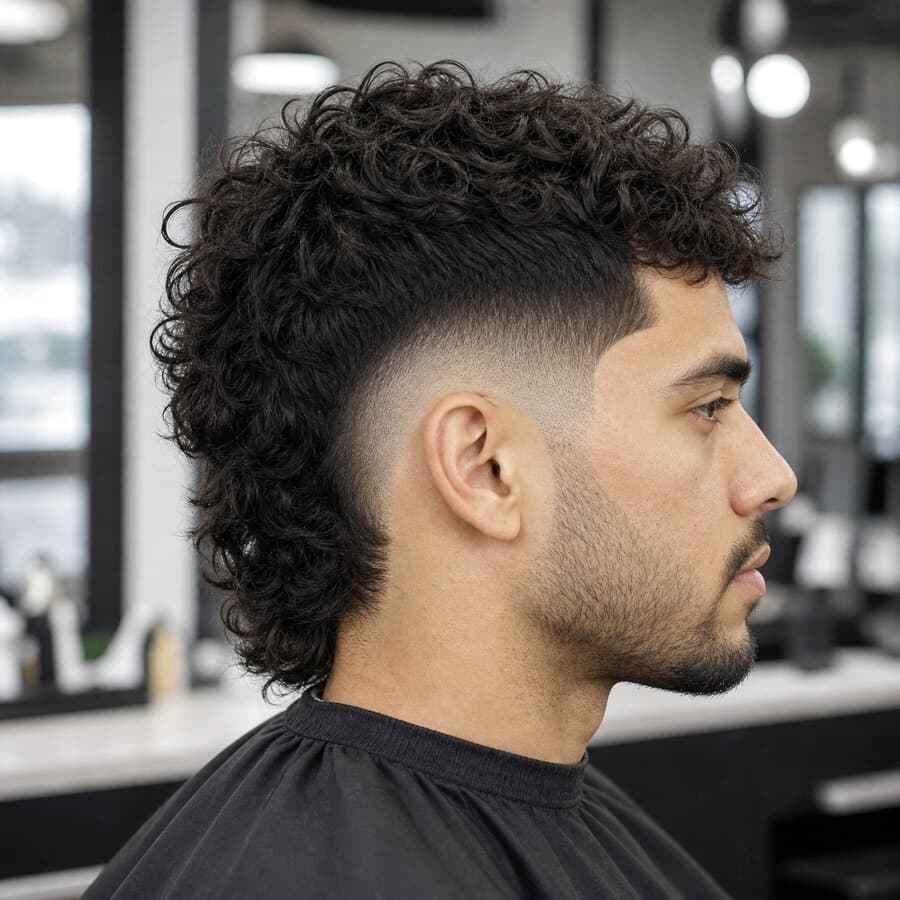
A hybrid of a low taper and burst fade, cleaning the sideburns and ear area while keeping the back softer.
Illustrative only. Not a prediction or barber-reviewed reference.
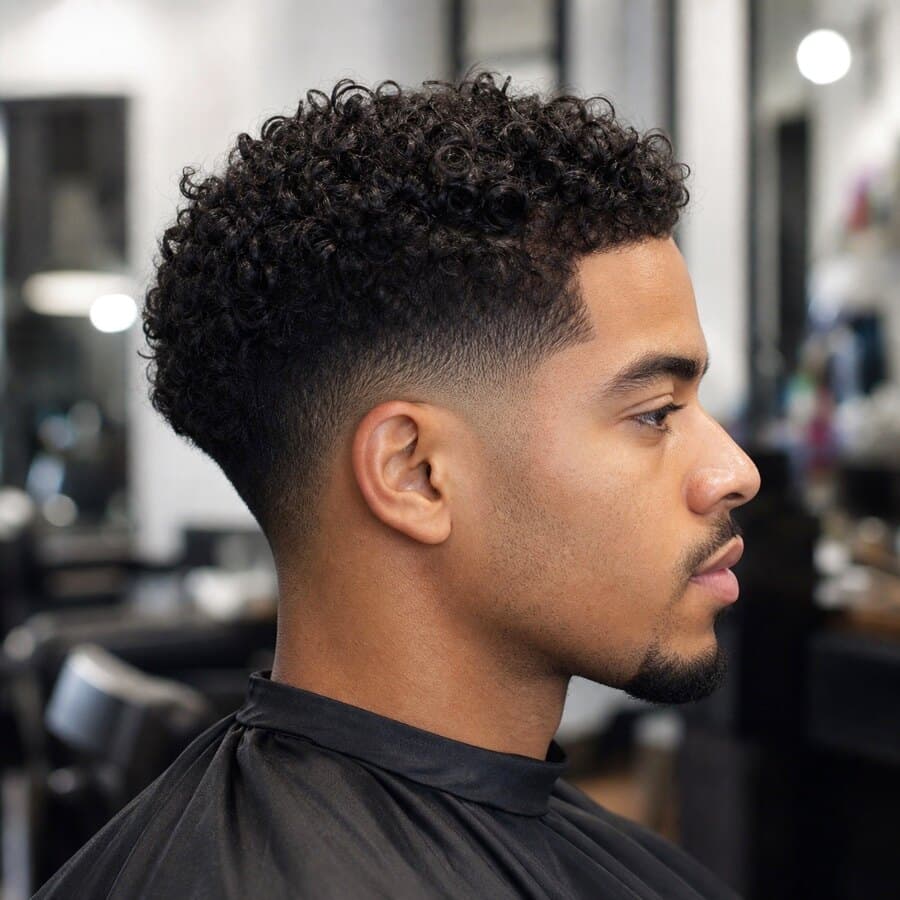
A curved ear-focused fade that lets curls stay full on top and through the back while cleaning the sides.
Illustrative only. Not a prediction or barber-reviewed reference.
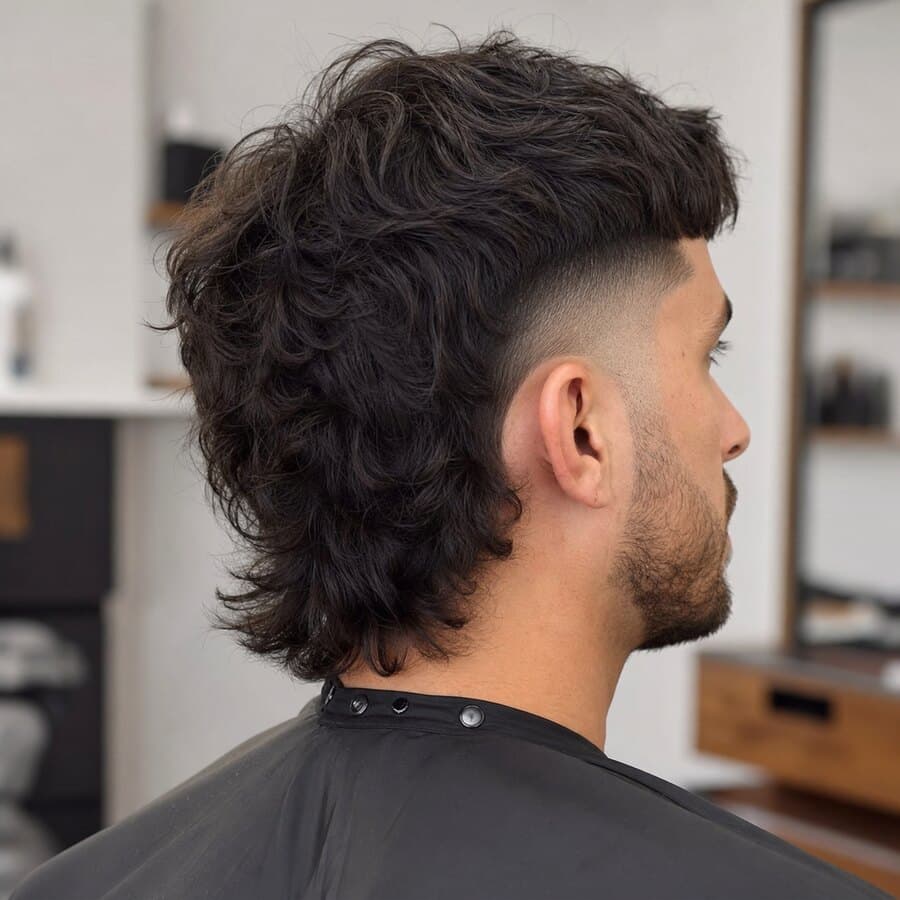
A curved burst fade around the ear with length kept through the back, giving a sharper version of the modern mullet.
Illustrative only. Not a prediction or barber-reviewed reference.