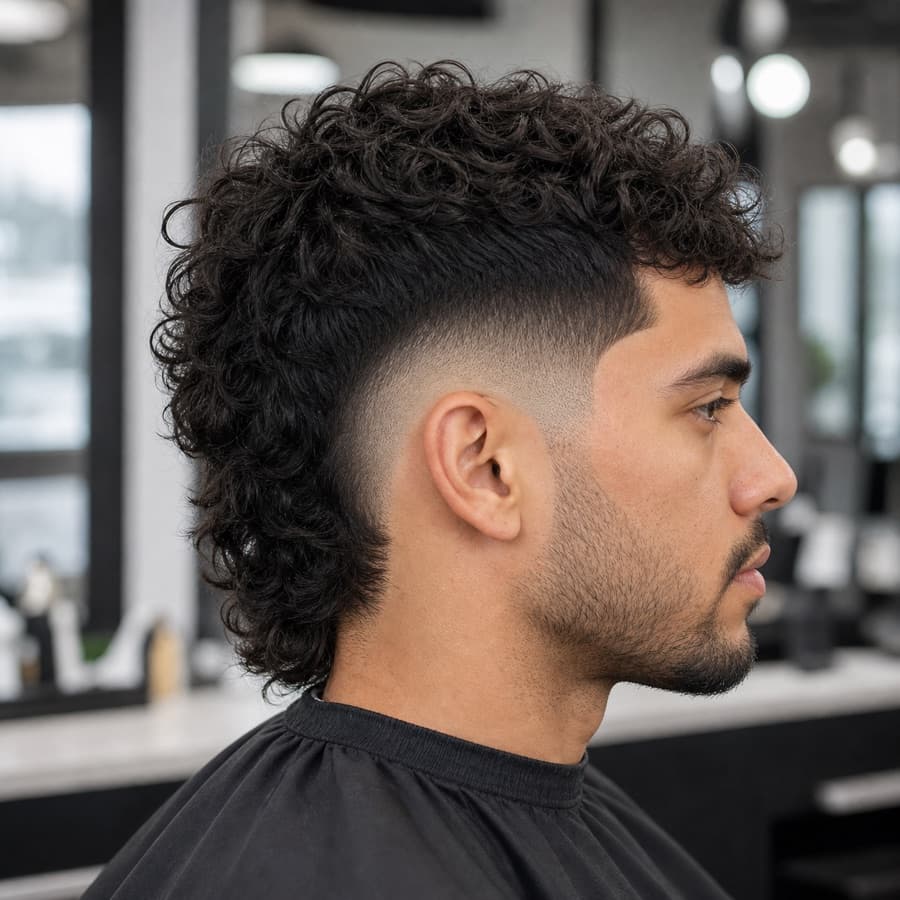
Generated illustrationburst fade
Regular upkeepcurly + coily
Burst Fade
A fade that arcs around the ear, often paired with curls, mohawks, mullets, or textured tops.
Illustrative only. Not a prediction or barber-reviewed reference.
Fade guide
Instead of running straight up the side, a burst fade arcs around the ear in a curved shape — like a sunburst behind the ear. A shape-first fade that pairs naturally with mohawks, mullets, and curls.
Fade names vary between shops, and the reference images in this catalogue are generated illustrations — not barber-reviewed photos. Use this guide to start the conversation, then confirm the height and shortest point in person.
What it actually means
A burst fade fades the hair in a circular pattern centered behind the ear. The transition follows the curve of the ear and sweeps toward the temple or the nape depending on the requested shape, creating an arc rather than a horizontal band.
Because the pattern curves around the ear, the hairline at the nape is often left longer unless you also ask for back work. This is why burst fades pair well with mullets and mohawks: the silhouette behind the ear gets tight while length survives elsewhere.
Placement still applies — bursts can sit low, mid, or high around the ear — and the endpoint can be skin or guarded. Two people asking for a “burst fade” can get visibly different cuts unless they also agree on height and endpoint.
Compare related fades
vs Drop fade
Both curve downward, but a burst arcs around the ear while a drop follows the head's curvature at the back.
vs Temp fade
A temp fade focuses on the temple corners only. A burst usually wraps further around the ear and into the back.
vs Skin fade
A burst can end in skin or stubble. Asking for a “skin burst” combines the arc with the bare-skin endpoint.
Catalogue references
Every card below uses a generated illustration with visible labels. Open one for barber wording and upkeep notes, or take it straight into a brief.
A fade that arcs around the ear, often paired with curls, mohawks, mullets, or textured tops.
Illustrative only. Not a prediction or barber-reviewed reference.
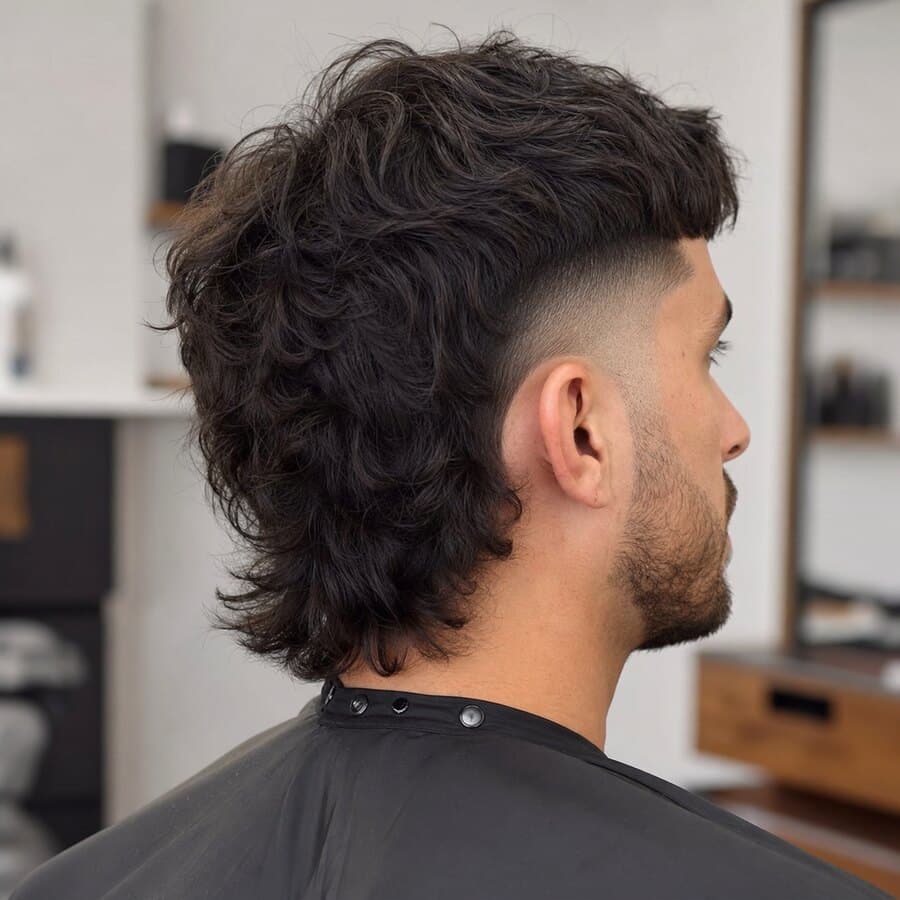
A curved burst fade around the ear with length kept through the back, giving a sharper version of the modern mullet.
Illustrative only. Not a prediction or barber-reviewed reference.
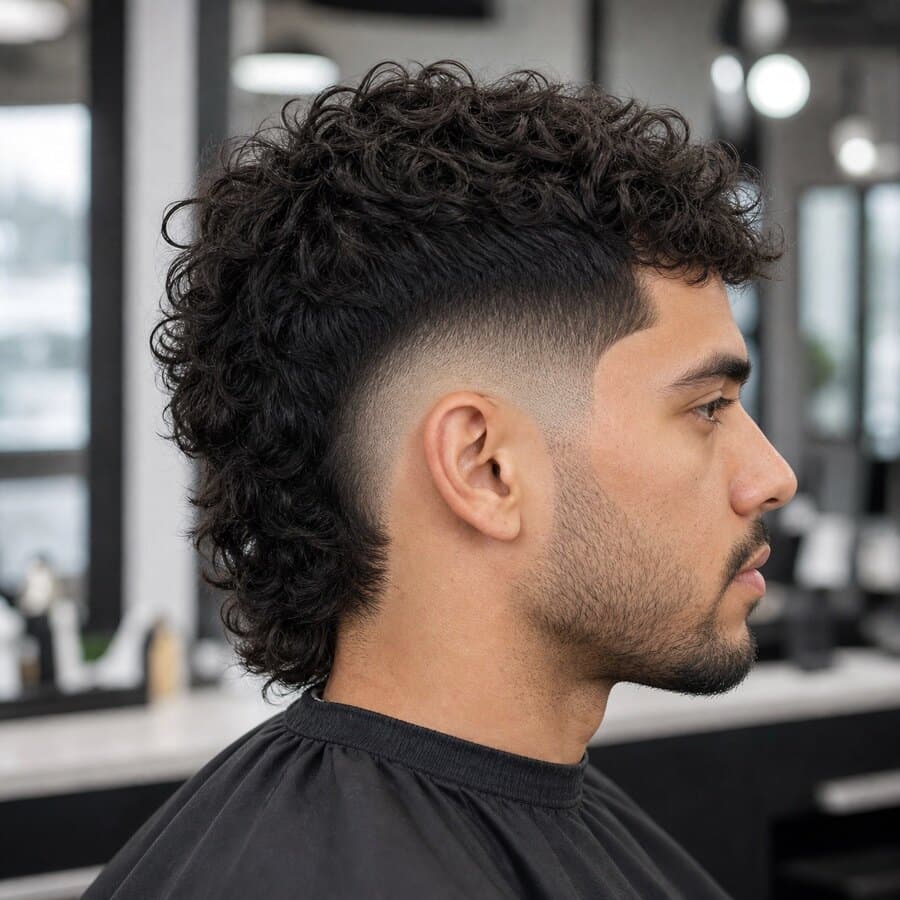
A softer burst fade that keeps the arc low around the ear, useful when you want shape without a dramatic high fade.
Illustrative only. Not a prediction or barber-reviewed reference.
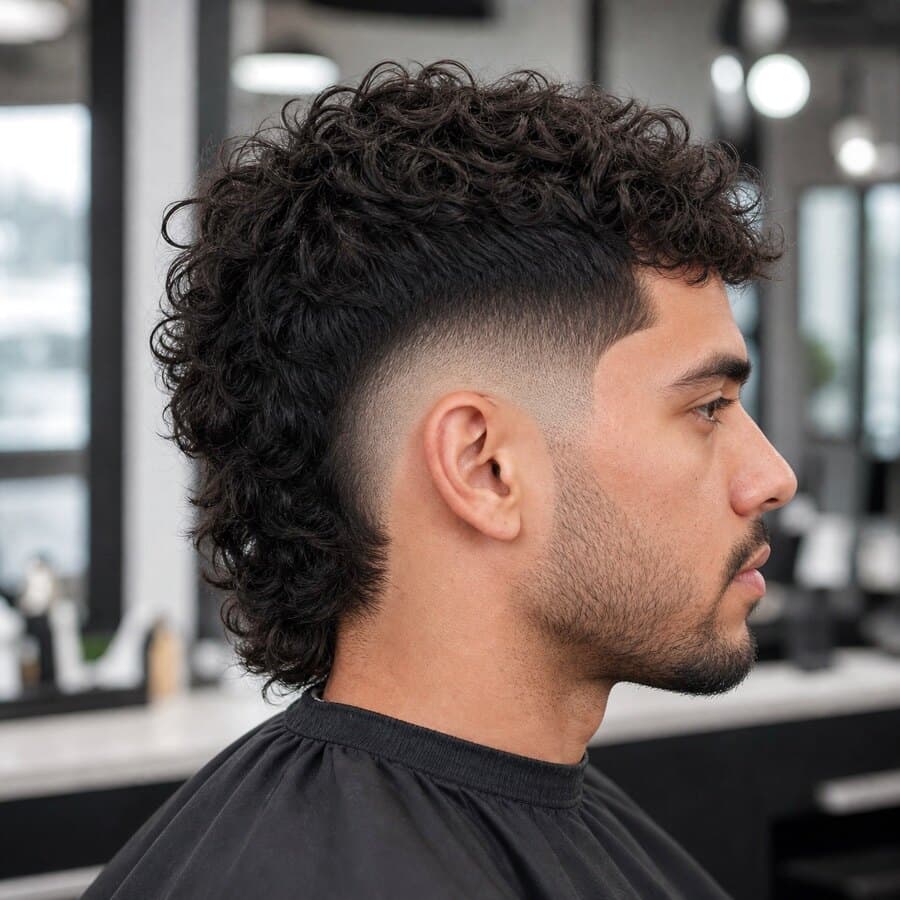
A balanced burst fade with the curve placed higher than a low burst but still focused around the ear.
Illustrative only. Not a prediction or barber-reviewed reference.
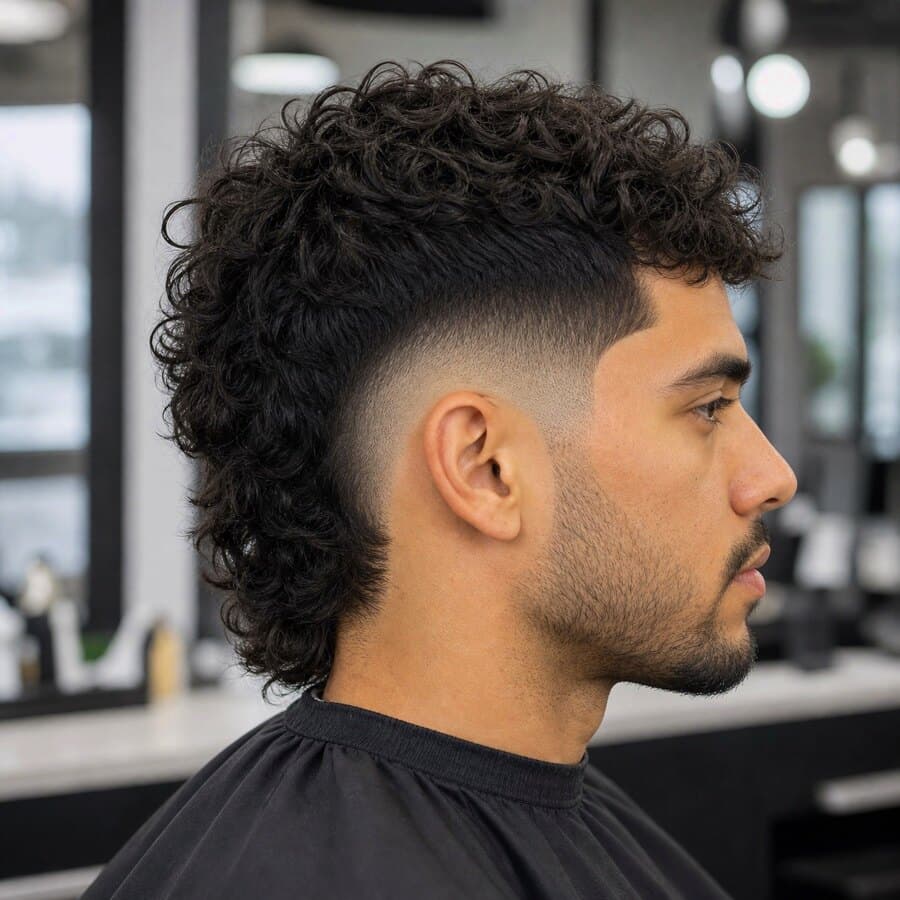
A bold burst fade with the arc pushed higher for more contrast around curls, crops, mohawks, or short textured tops.
Illustrative only. Not a prediction or barber-reviewed reference.
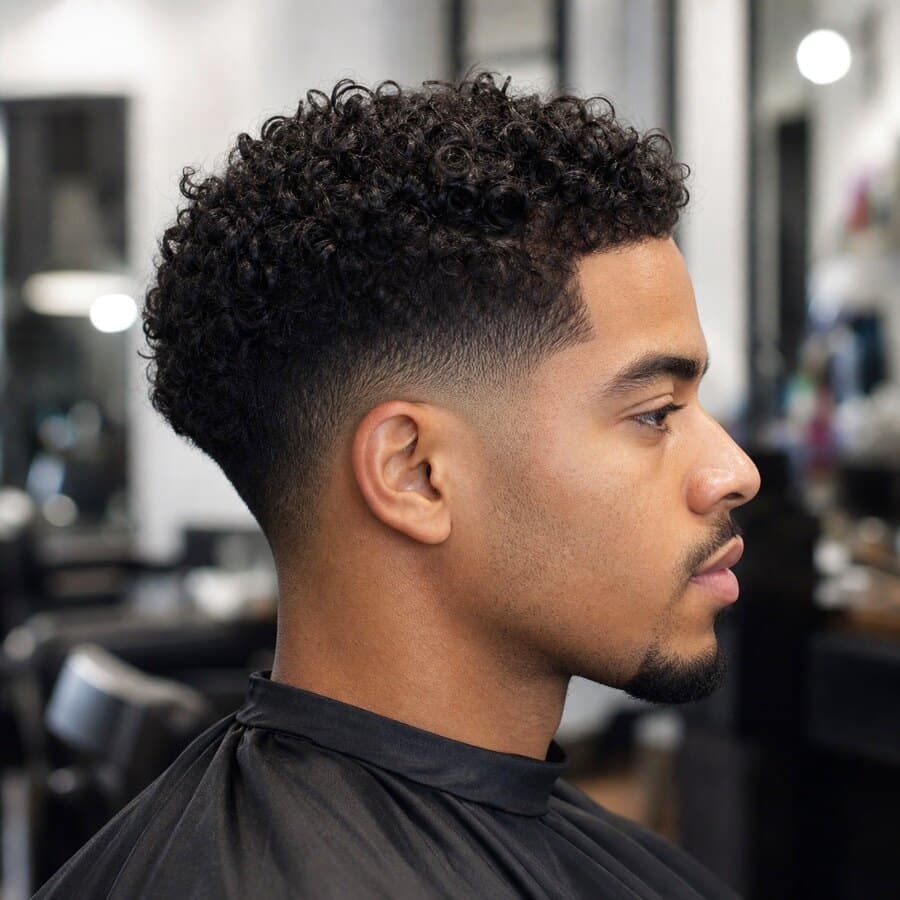
A curved ear-focused fade that lets curls stay full on top and through the back while cleaning the sides.
Illustrative only. Not a prediction or barber-reviewed reference.
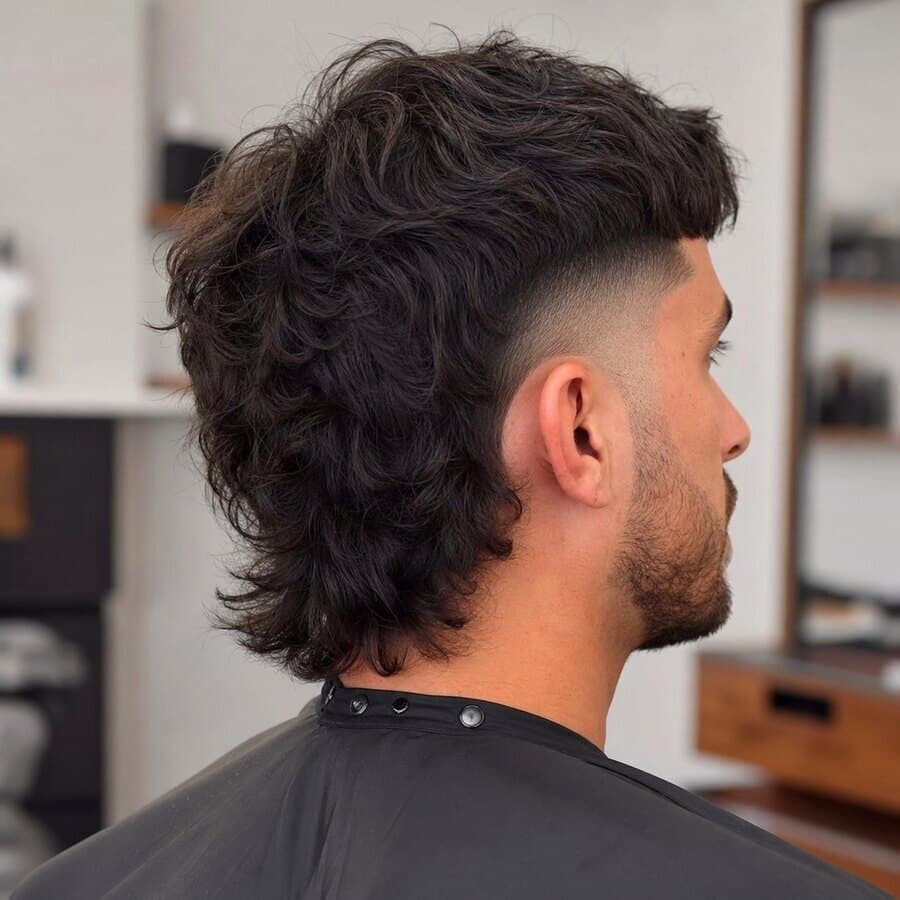
A burst fade shaped around a central mohawk strip, keeping the sides tight while the top and back carry the silhouette.
Illustrative only. Not a prediction or barber-reviewed reference.
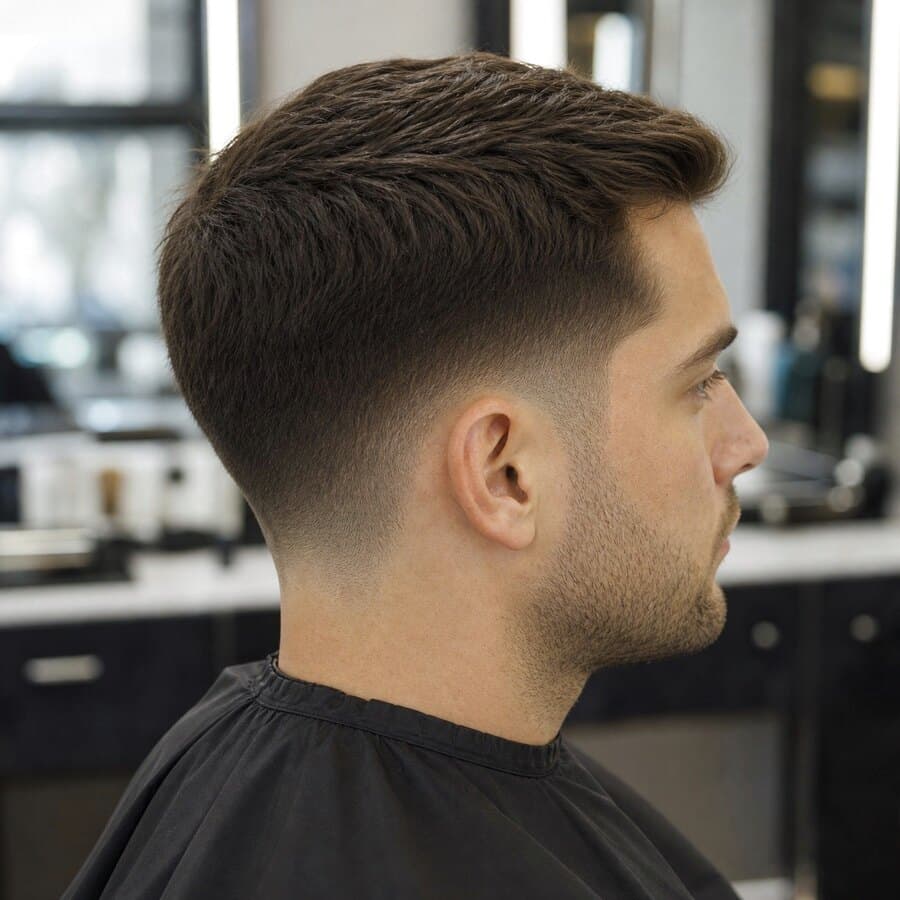
A burst fade adapted for straight hair, with extra texture on top so the curved fade does not look too severe.
Illustrative only. Not a prediction or barber-reviewed reference.
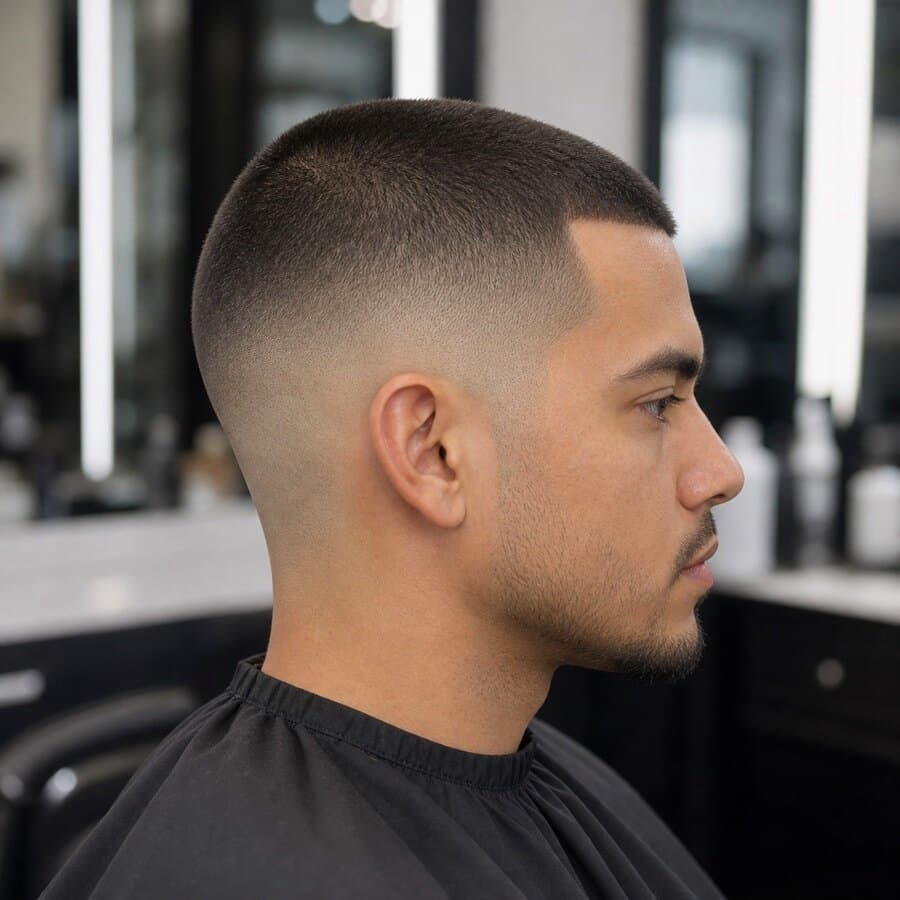
A short buzz cut with a burst fade around the ear for more shape than a standard all-around fade.
Illustrative only. Not a prediction or barber-reviewed reference.
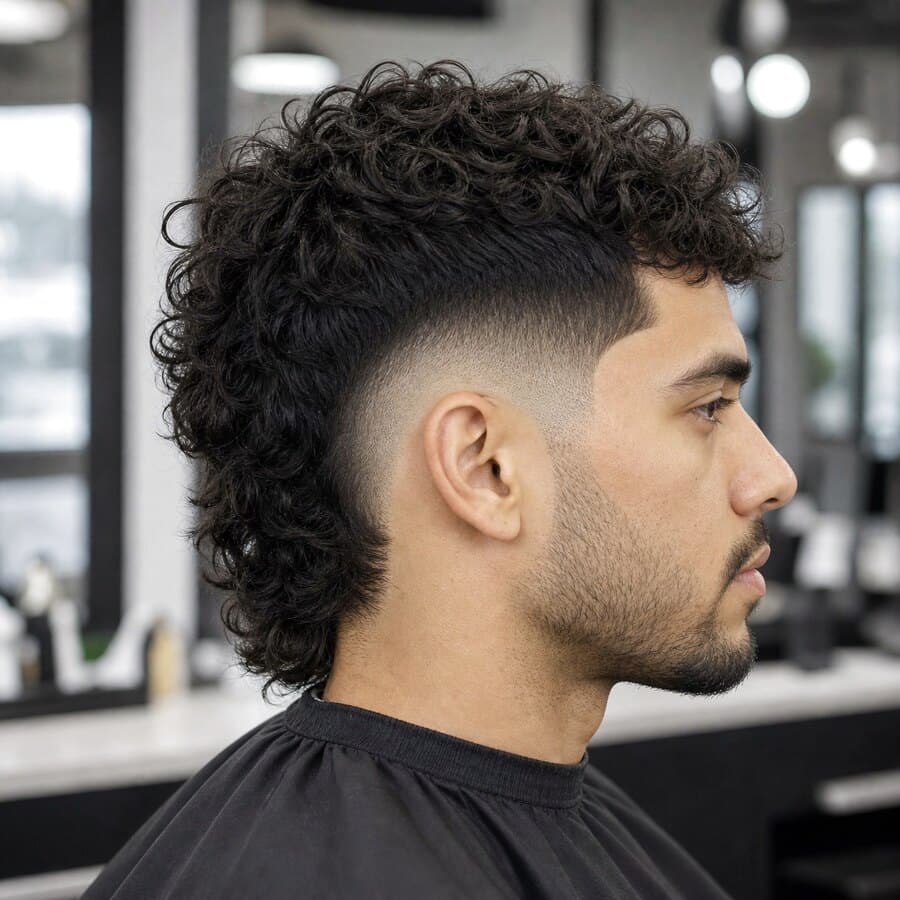
A hybrid of a low taper and burst fade, cleaning the sideburns and ear area while keeping the back softer.
Illustrative only. Not a prediction or barber-reviewed reference.
Quick answers
Answers reflect common usage, not universal standards. Your barber's wording wins any disagreement.
Direction. A regular fade runs horizontally up the side; a burst fade radiates around the ear in a curved pattern. The rest — height, endpoint, upkeep — works the same way.
Not automatically. Many versions leave the nape long for mullet and mohawk shapes. If you want the back faded too, ask explicitly for nape or back work.
The arc can frame curls at the ear while leaving volume on top. The exact contrast depends on density, color, texture, and the requested endpoint.
Continue comparing