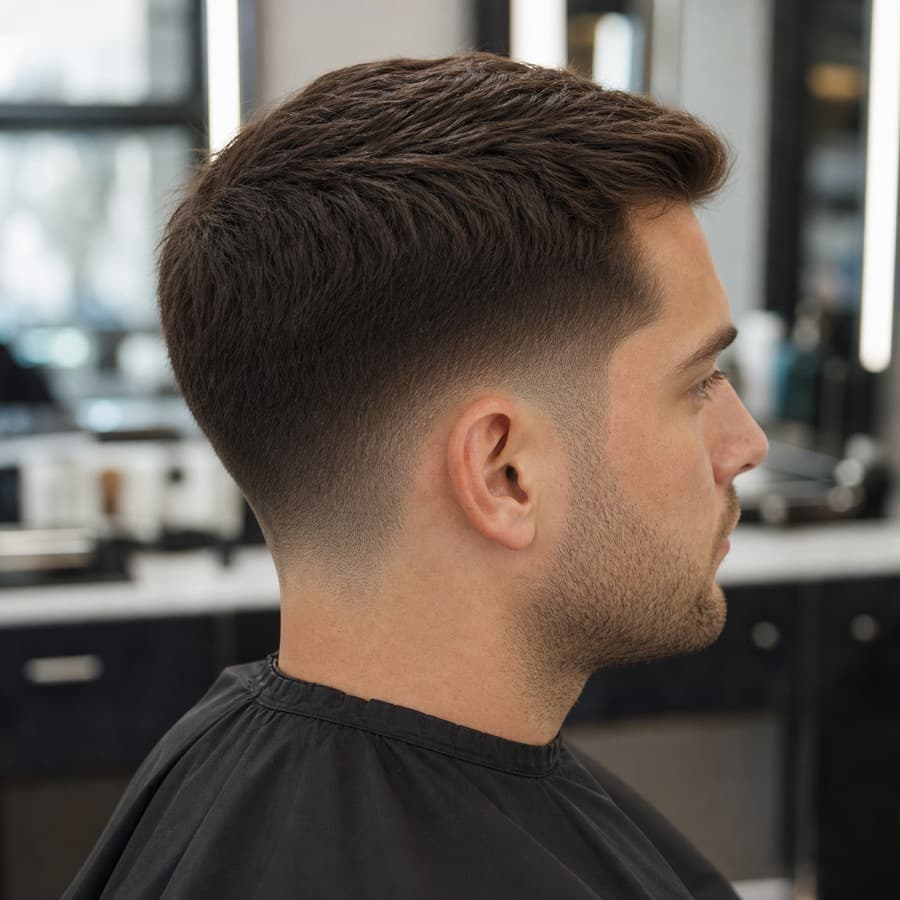
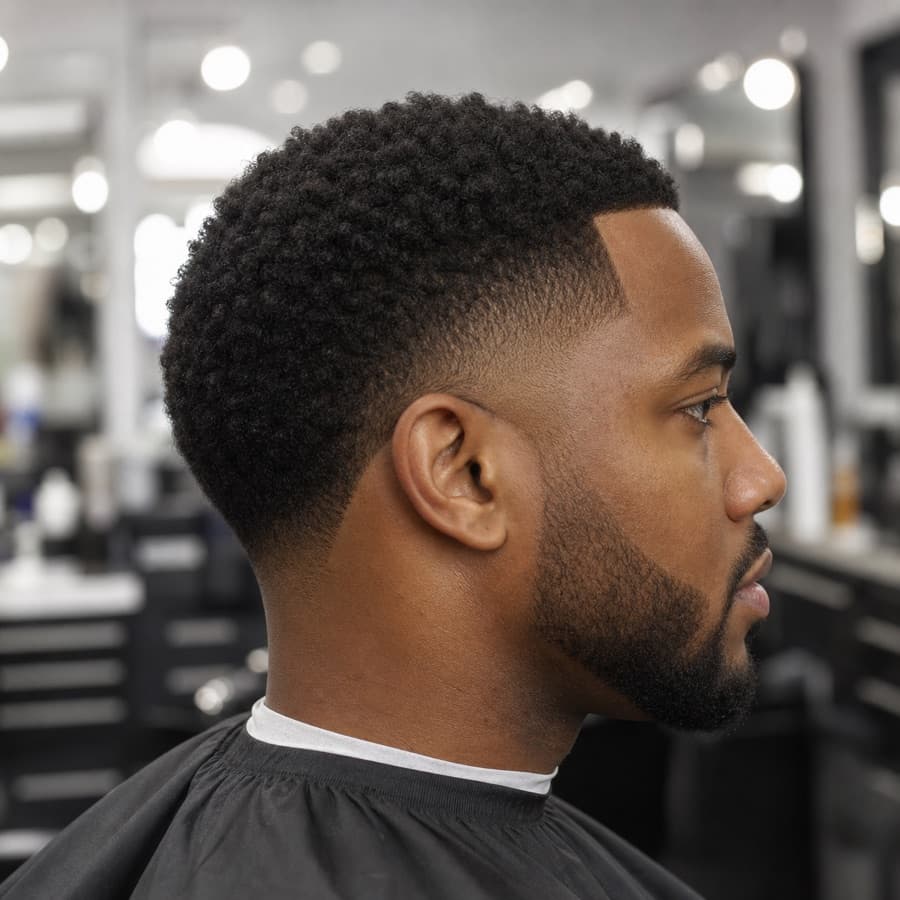
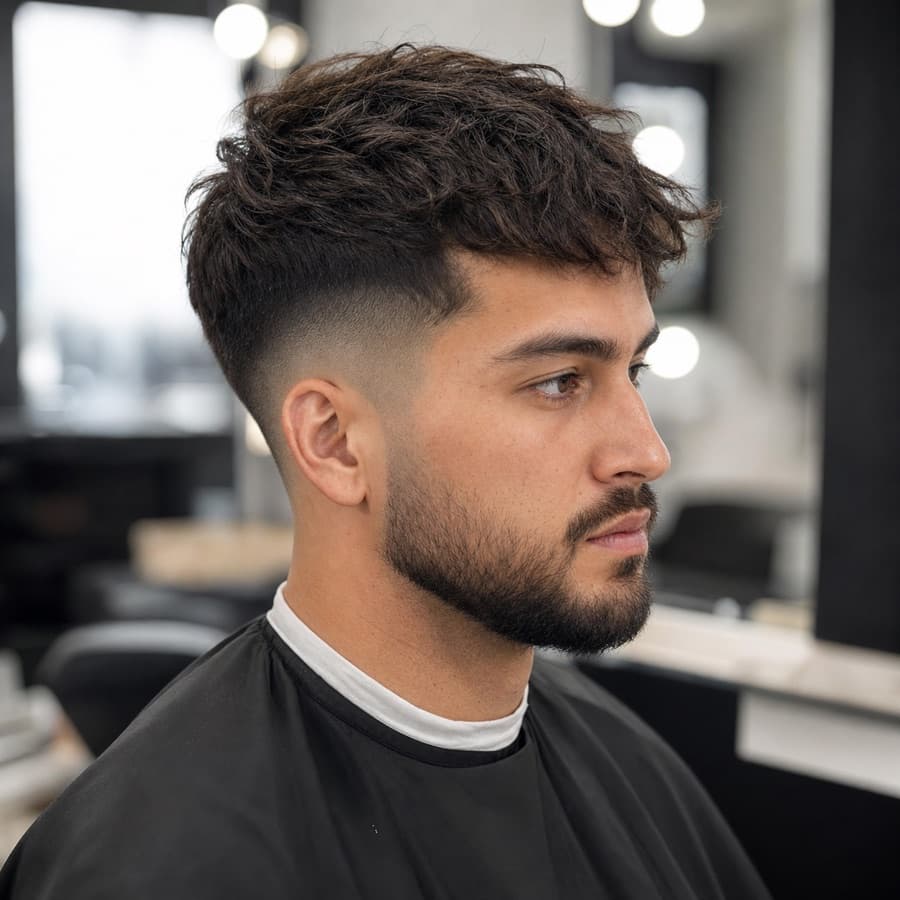
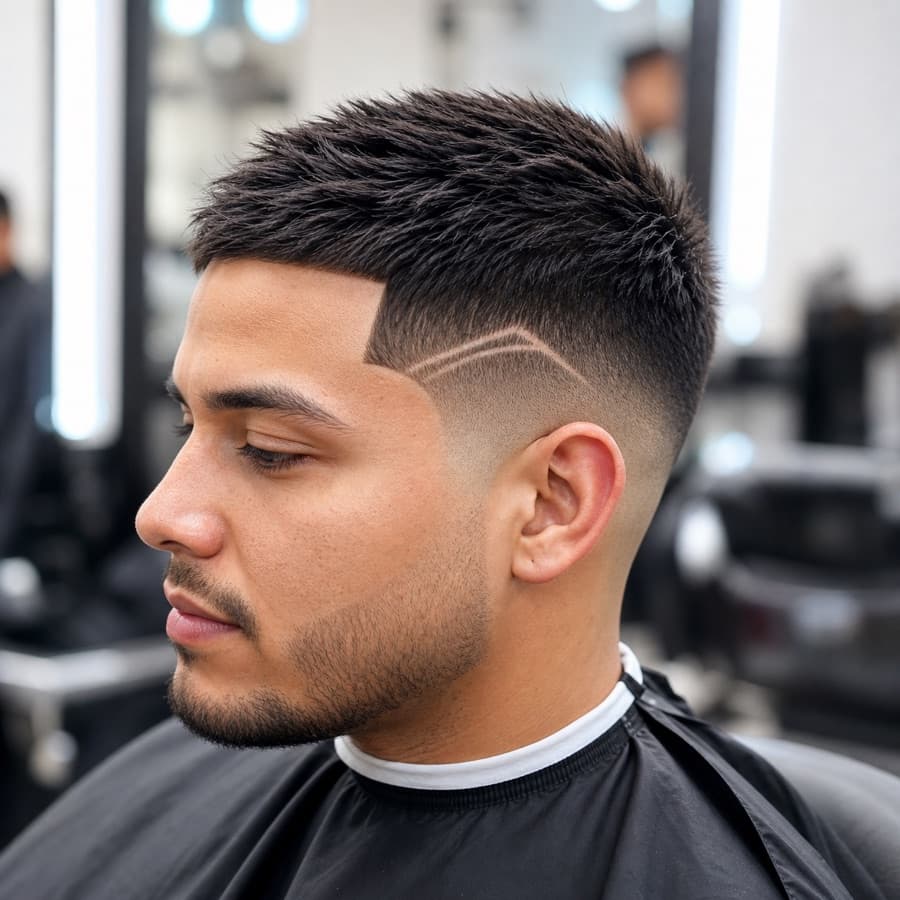
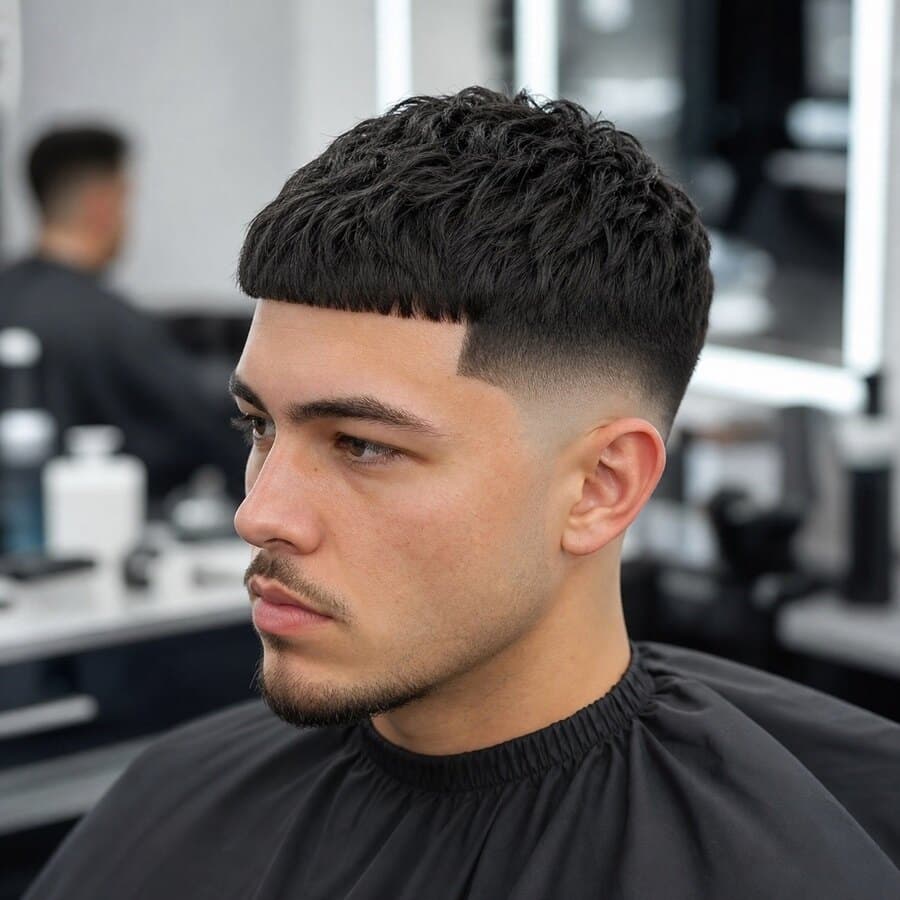
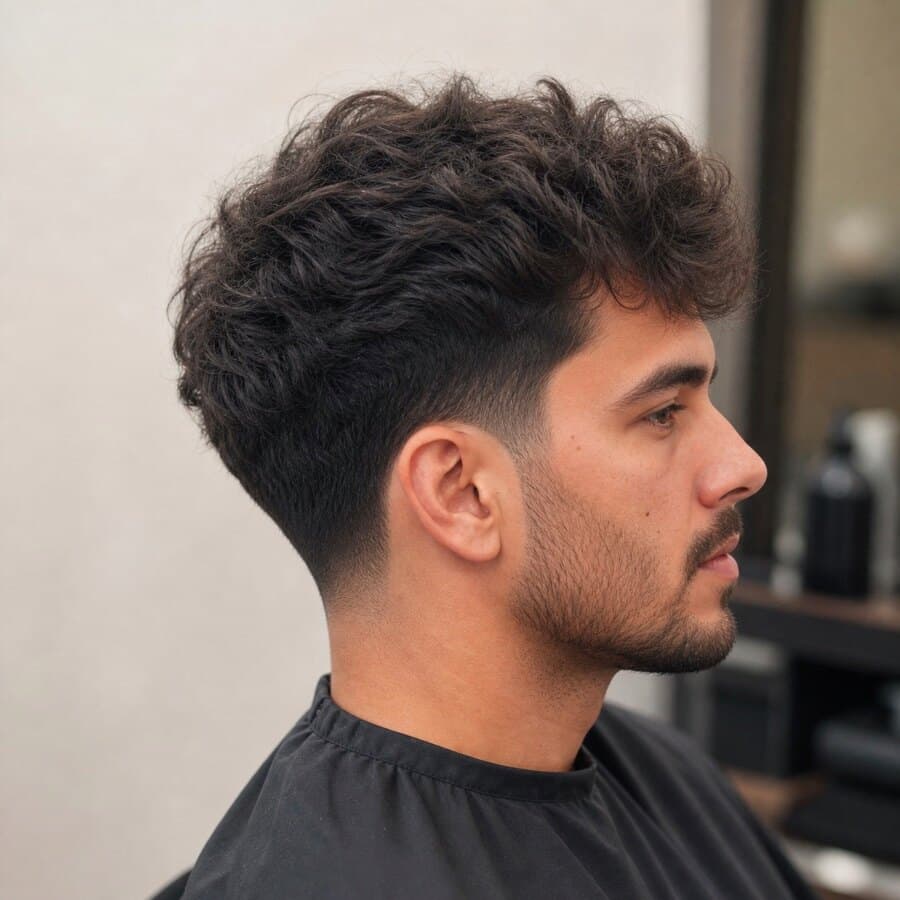
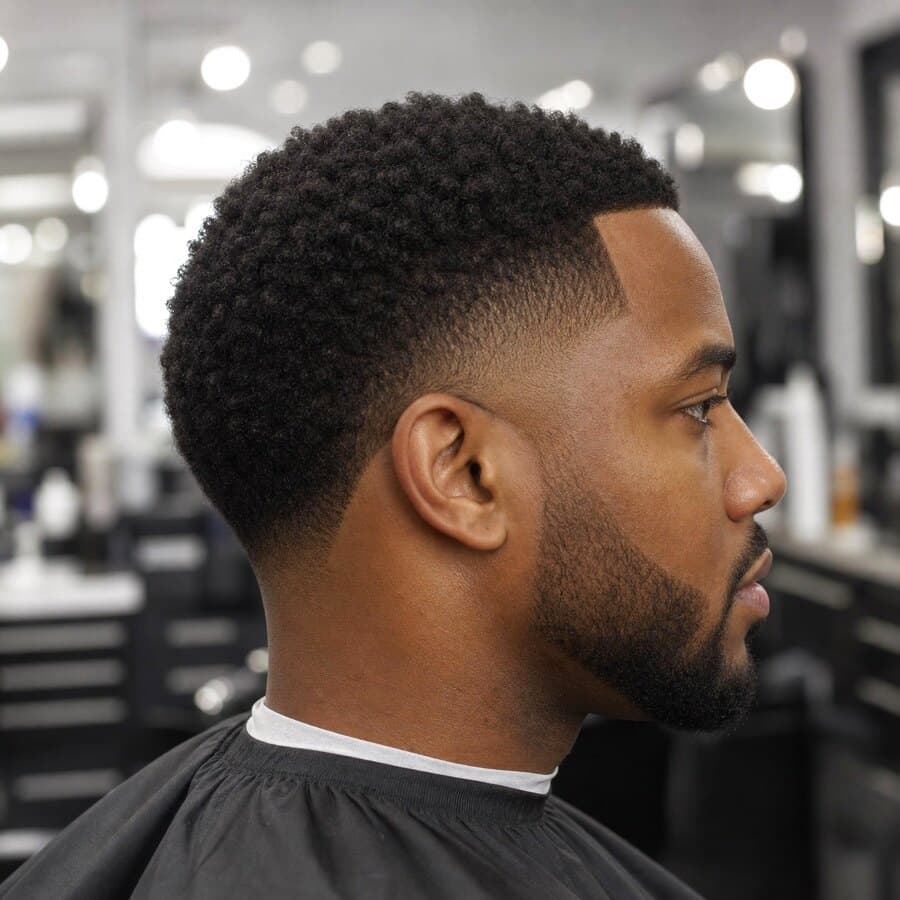
Low Taper Fade for Curly Hair
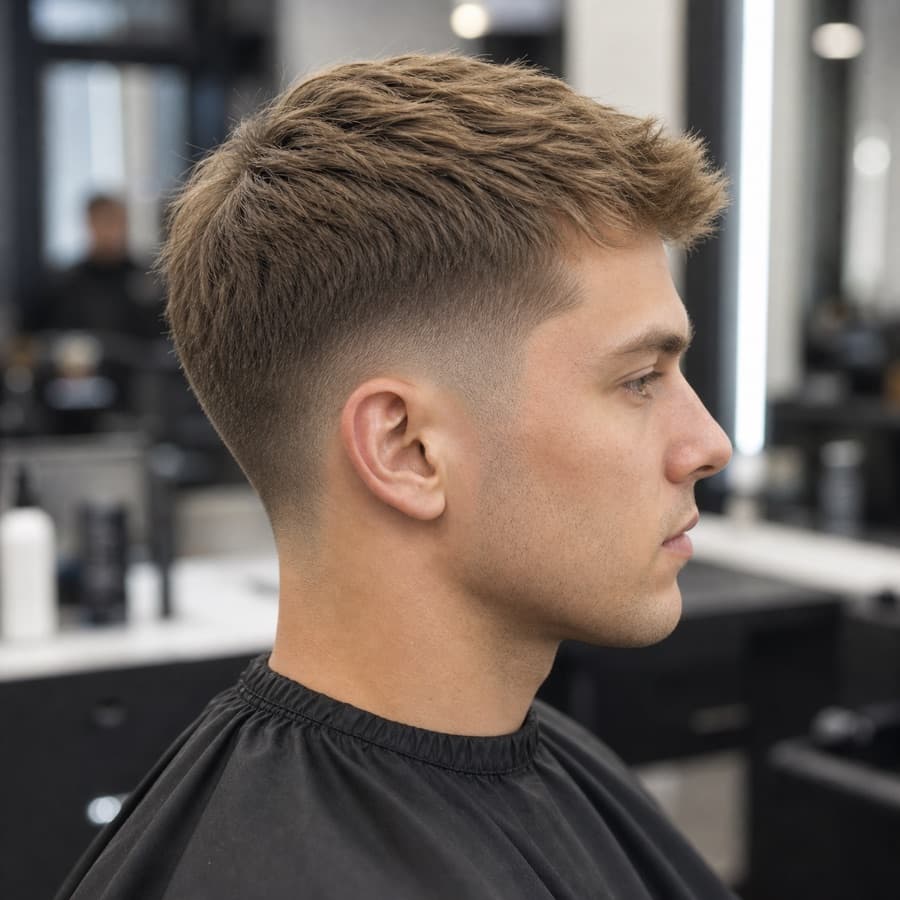
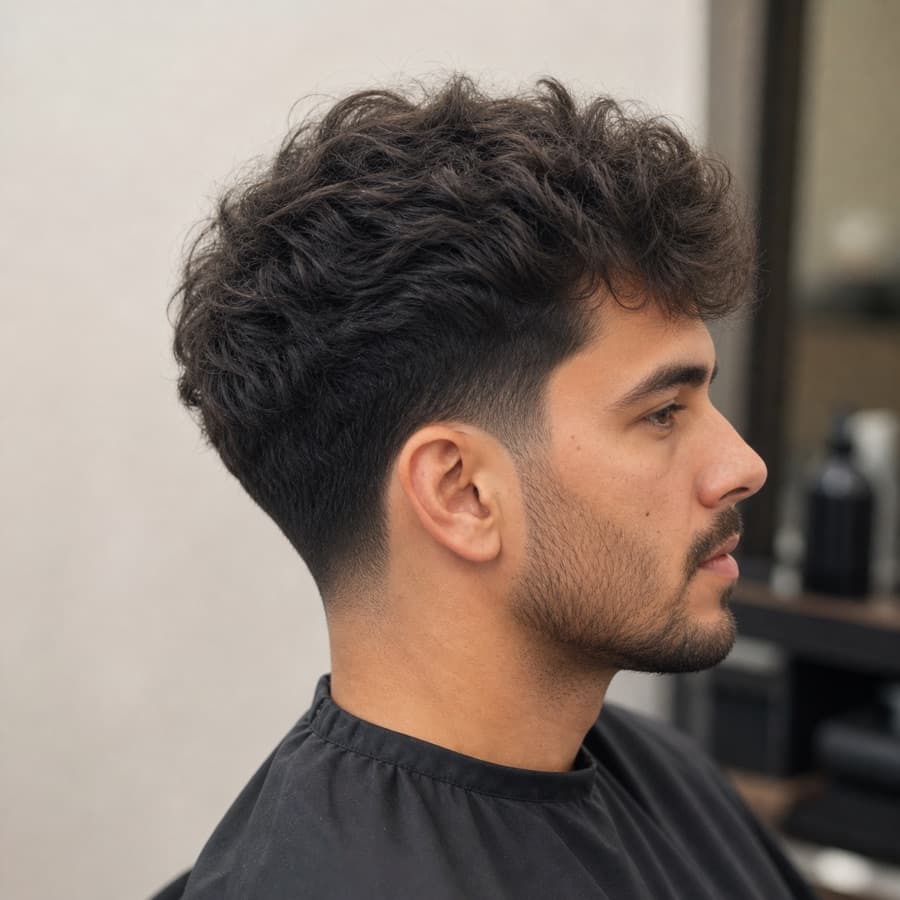
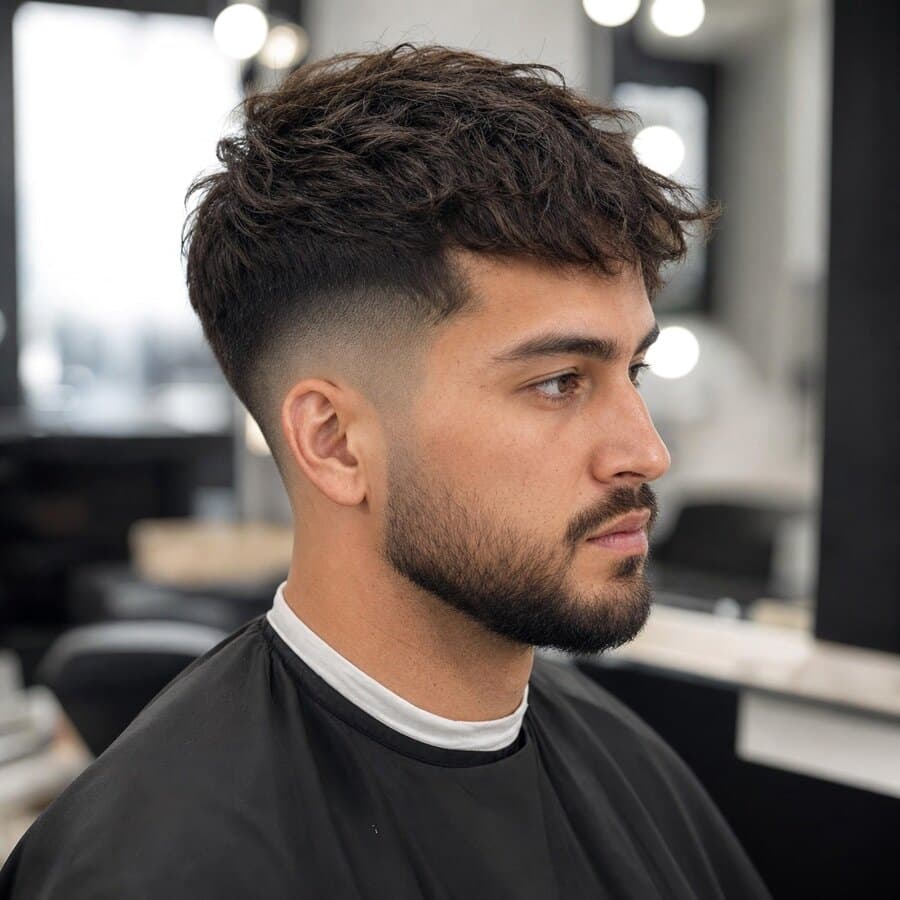
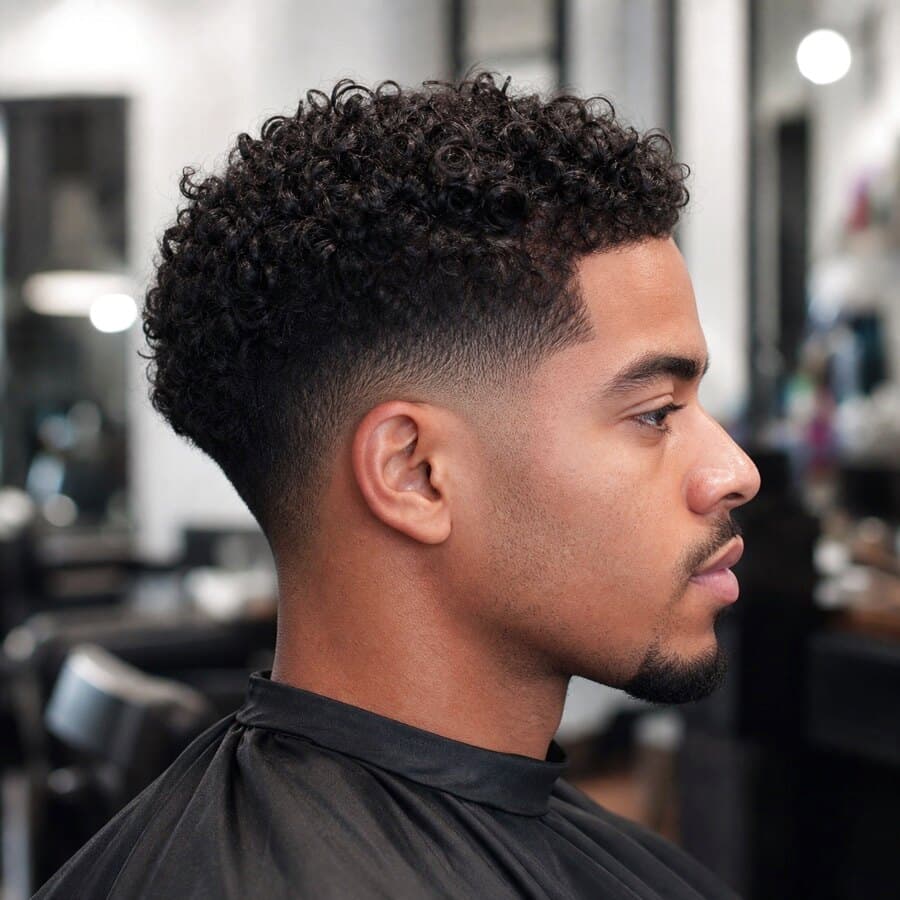
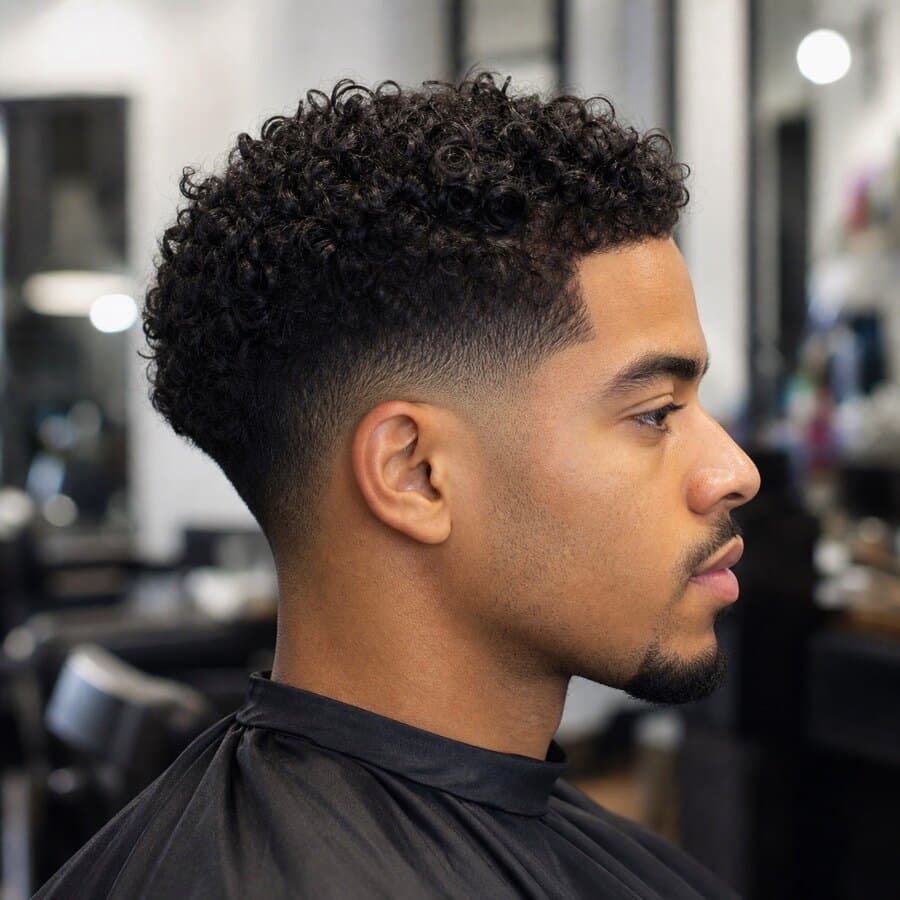
A low temple and neckline taper that keeps the sides clean while leaving enough curl height on top to show natural shape.
Illustrative only. Not a prediction or barber-reviewed reference.
Fade guide
The cleanup stays near the sideburns and neckline while the side keeps most of its length. It is the most conservative taper height and usually the easiest to grow out.
Fade names vary between shops, and the reference images in this catalogue are generated illustrations — not barber-reviewed photos. Use this guide to start the conversation, then confirm the height and shortest point in person.
What it actually means
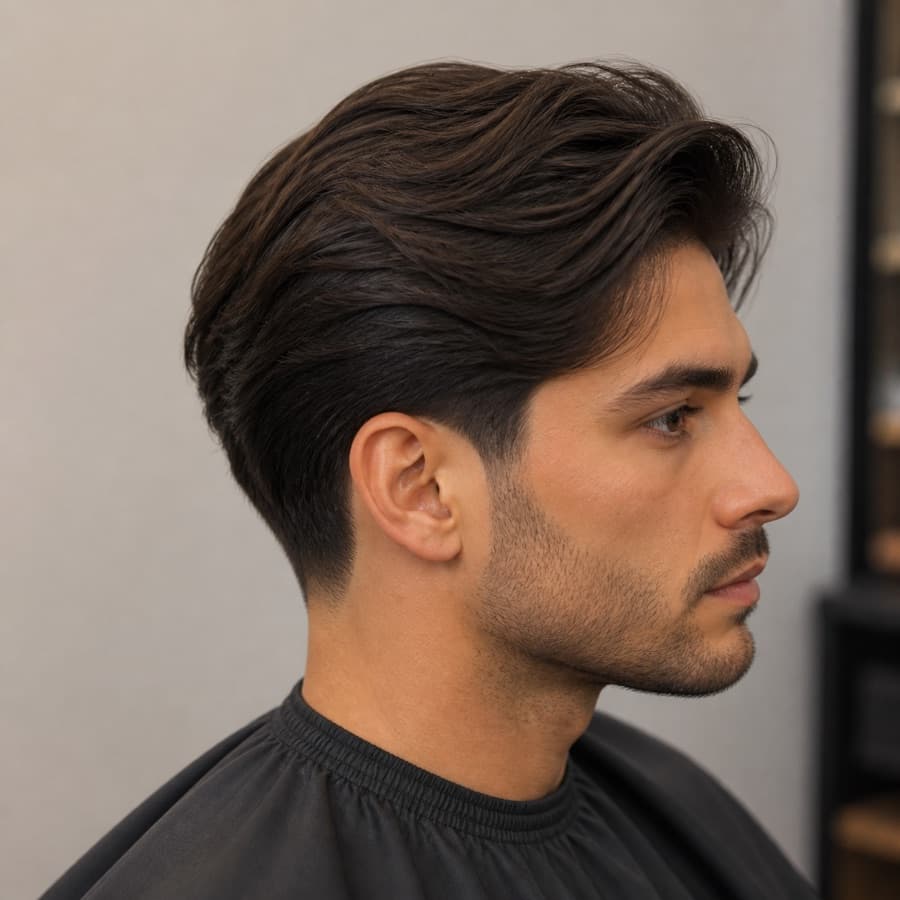
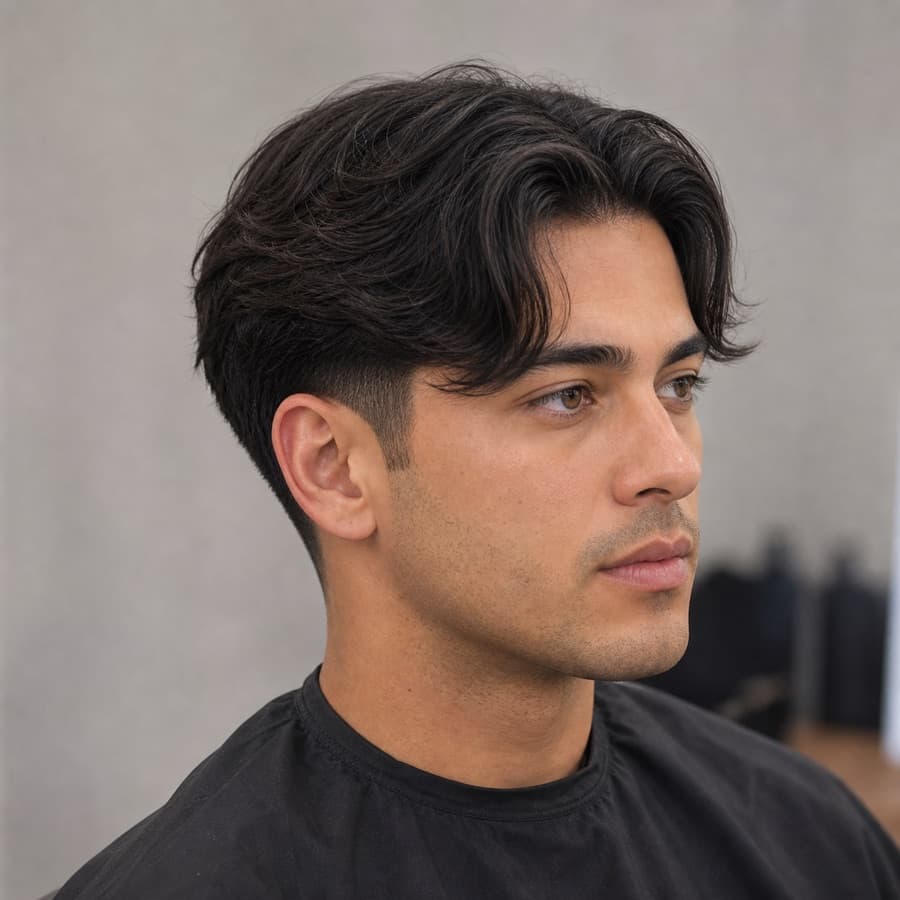
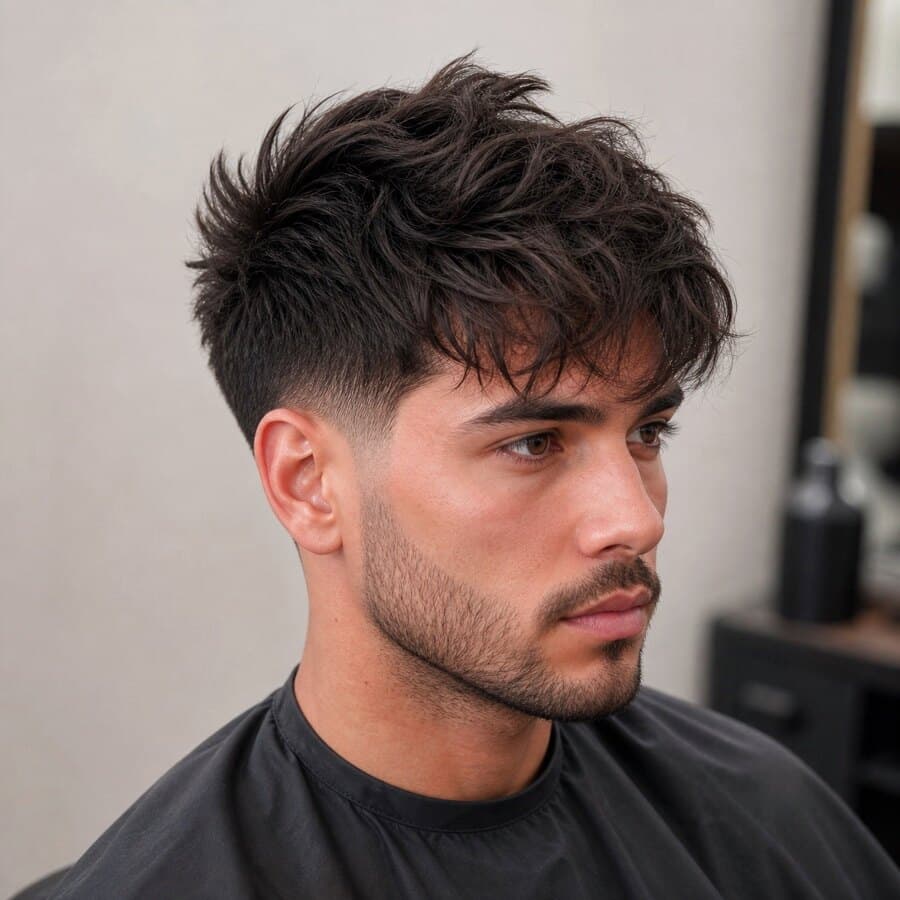
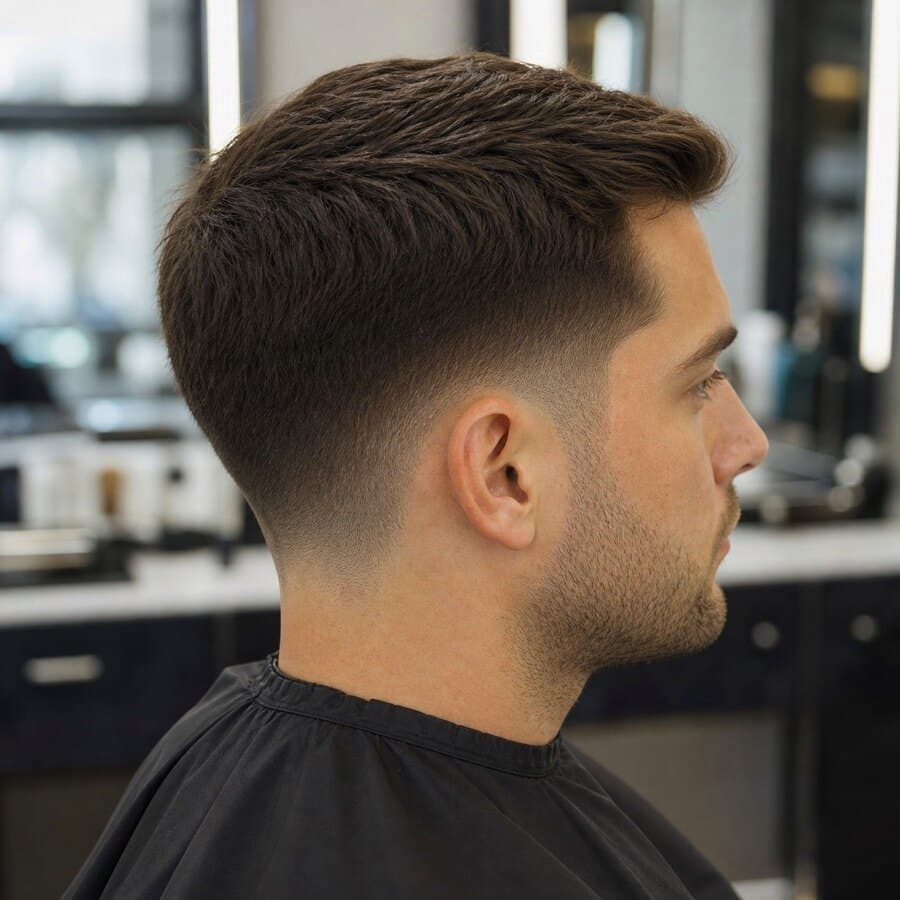
A low taper fade keeps the clipper transition in the lowest part of the side: around the sideburn and the natural neckline. Above that band, the hair keeps its normal length, so the overall shape reads as a regular haircut with freshly cleaned edges.
The shortest point is usually tapered into the natural hairline rather than taken down to bare skin. That can make the cut read subtler from the front than a fade that exposes more of the side.
Because the transition area is small, the result depends more on clean line work than on aggressive blending. The visible difference between a careful and a rushed low taper usually shows at the sideburn point and the neckline corners.
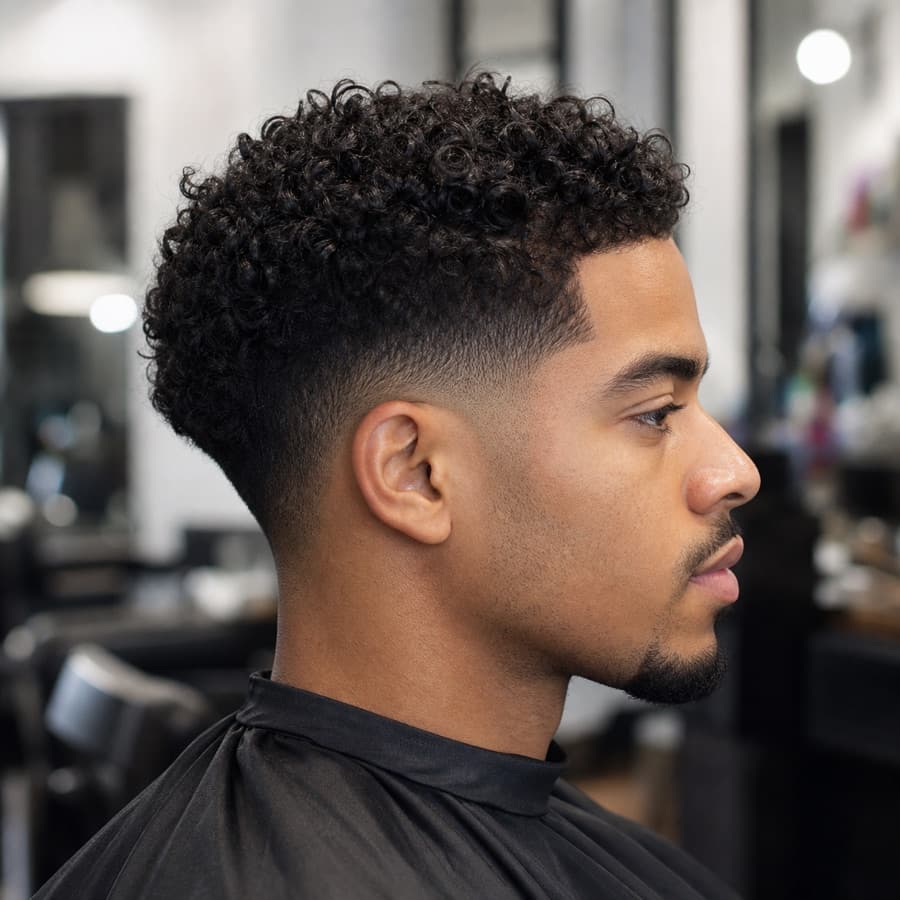
Compare related fades
vs Mid taper
A mid taper starts noticeably higher on the side, so the contrast is easier to see but the grow-out is less forgiving.
vs Skin fade
A skin fade is defined by its bare-skin shortest point. A low taper usually keeps a soft tapered edge unless you ask for skin.
vs Burst fade
A burst fade curves around the ear like an arc. A low taper follows the sideburn and neckline instead.
Catalogue references
Every card below uses a generated illustration with visible labels. Open one for barber wording and upkeep notes, or take it straight into a brief.

A low temple and neckline taper that keeps the sides clean while leaving enough curl height on top to show natural shape.
Illustrative only. Not a prediction or barber-reviewed reference.

A clean, wearable low taper for straight hair that adds structure without removing too much side density.
Illustrative only. Not a prediction or barber-reviewed reference.

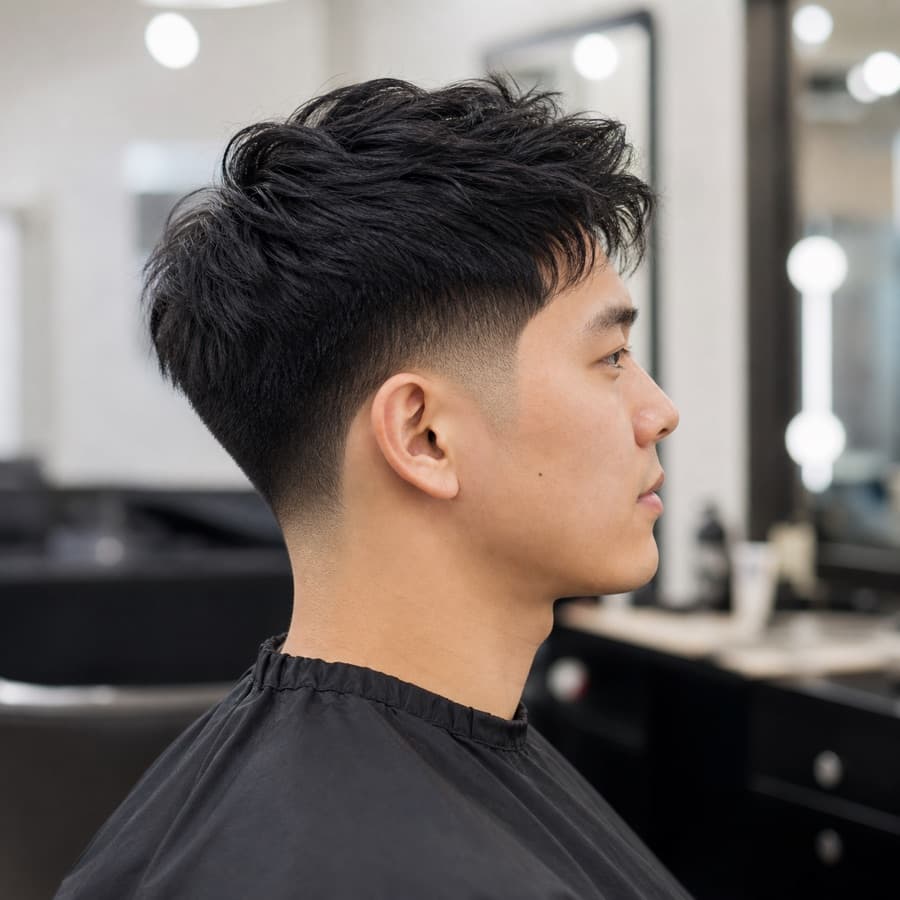
A low taper with a natural top and clean shape-up that keeps the haircut sharp while preserving texture.
Illustrative only. Not a prediction or barber-reviewed reference.

A low taper that keeps the sides controlled and pushes the visual weight into a messy, forward fringe.
Illustrative only. Not a prediction or barber-reviewed reference.

A low taper with a subtle shaved design near the temple; the design requires precise clipper control.
Illustrative only. Not a prediction or barber-reviewed reference.

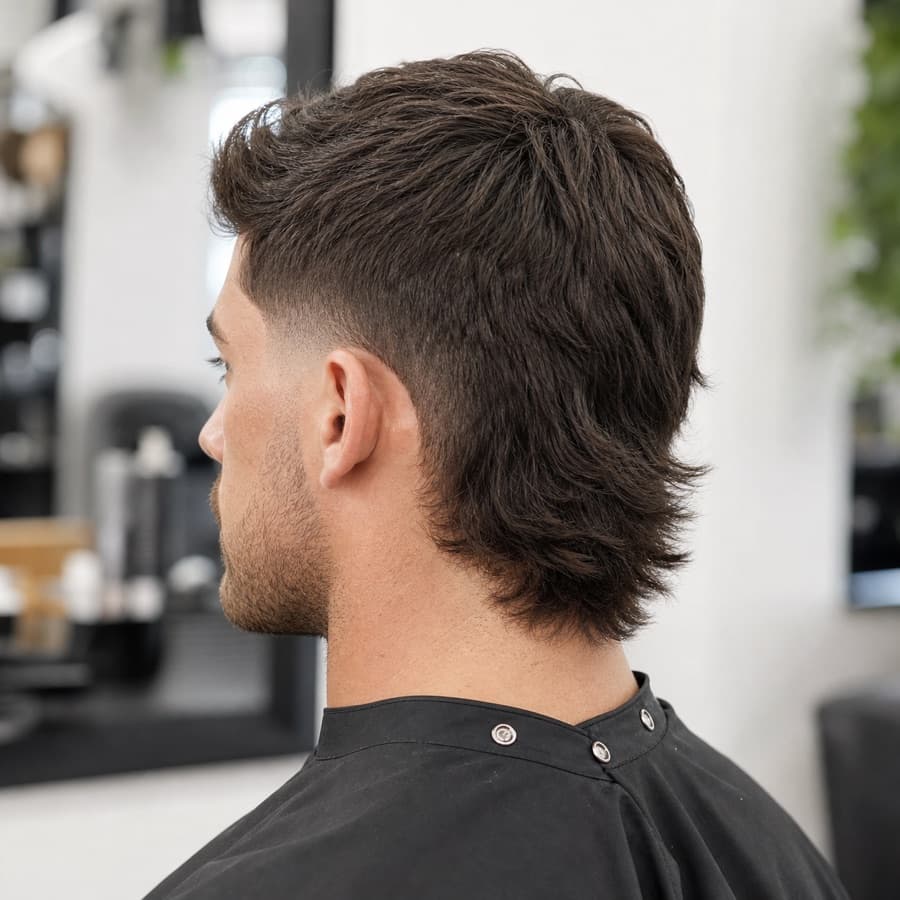
A modern mullet shape with a low taper around the sides, keeping flow through the back without looking messy.
Illustrative only. Not a prediction or barber-reviewed reference.

A low taper paired with a sharp perimeter line, useful when you want the cleanest possible outline.
Illustrative only. Not a prediction or barber-reviewed reference.

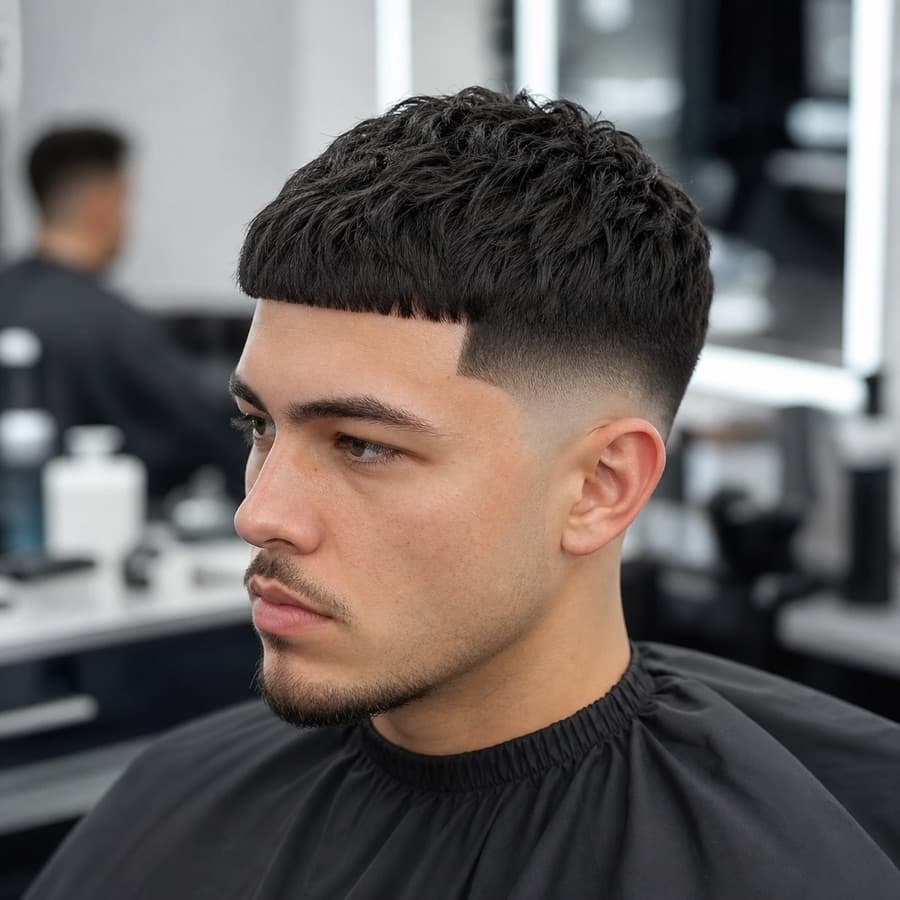
A blunt fringe Edgar shape with a low taper on the sides, best when the top has enough density to hold the front edge.
Illustrative only. Not a prediction or barber-reviewed reference.

A low taper designed for thick straight hair that needs weight removal without losing the top shape.
Illustrative only. Not a prediction or barber-reviewed reference.

A softer low taper for lighter straight hair where the fade contrast is more subtle and the top needs texture.
Illustrative only. Not a prediction or barber-reviewed reference.

A soft low taper that keeps fluffy volume on top while cleaning the sideburns and neckline without making the haircut too sharp.
Illustrative only. Not a prediction or barber-reviewed reference.

A low taper that cleans the edges while leaving longer top length for flow, curtains, loose curls, or swept-back styling.
Illustrative only. Not a prediction or barber-reviewed reference.

A low taper paired with a middle part or curtains shape, keeping the side profile clean without interrupting the flow on top.
Illustrative only. Not a prediction or barber-reviewed reference.

A forward fringe cut with broken texture through the front, often paired with a taper or fade to keep the sides clean.
Illustrative only. Not a prediction or barber-reviewed reference.

A looser textured fringe with a deliberately broken finish intended to hold airy movement.
Illustrative only. Not a prediction or barber-reviewed reference.

A forward textured fringe adapted for straight hair, using dry point cutting and product to prevent a flat block.
Illustrative only. Not a prediction or barber-reviewed reference.

A curl-forward fringe shape that keeps natural movement while using a taper or fade to control the perimeter.
Illustrative only. Not a prediction or barber-reviewed reference.

A blunt forward crop with a strong front edge, usually balanced by a taper or fade on the sides.
Illustrative only. Not a prediction or barber-reviewed reference.

An Edgar crop with a cleaner taper around the sideburns and neckline, keeping the bold front while reducing side bulk.
Illustrative only. Not a prediction or barber-reviewed reference.

A low-taper version of the Edgar that keeps the side cleanup subtle while the blunt front stays prominent.
Illustrative only. Not a prediction or barber-reviewed reference.

A softer Edgar variation with more airy volume on top and a less severe front edge.
Illustrative only. Not a prediction or barber-reviewed reference.

A curl-textured Edgar shape that keeps a forward front outline without forcing curls into a perfectly blunt line.
Illustrative only. Not a prediction or barber-reviewed reference.

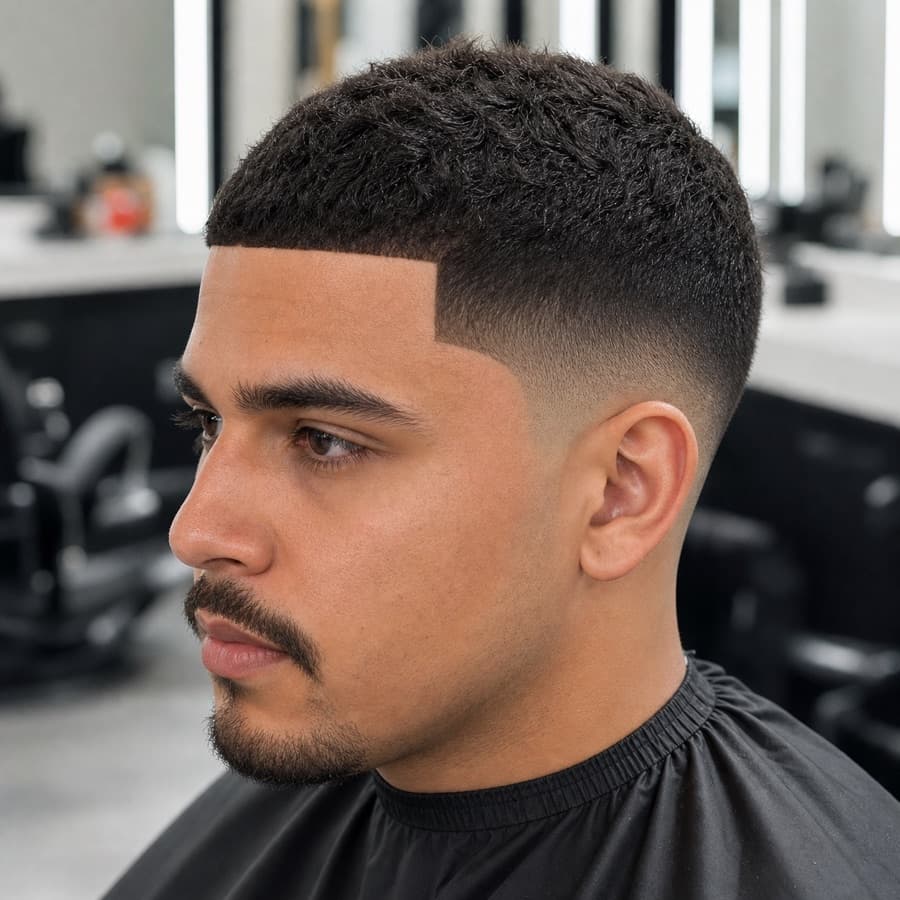
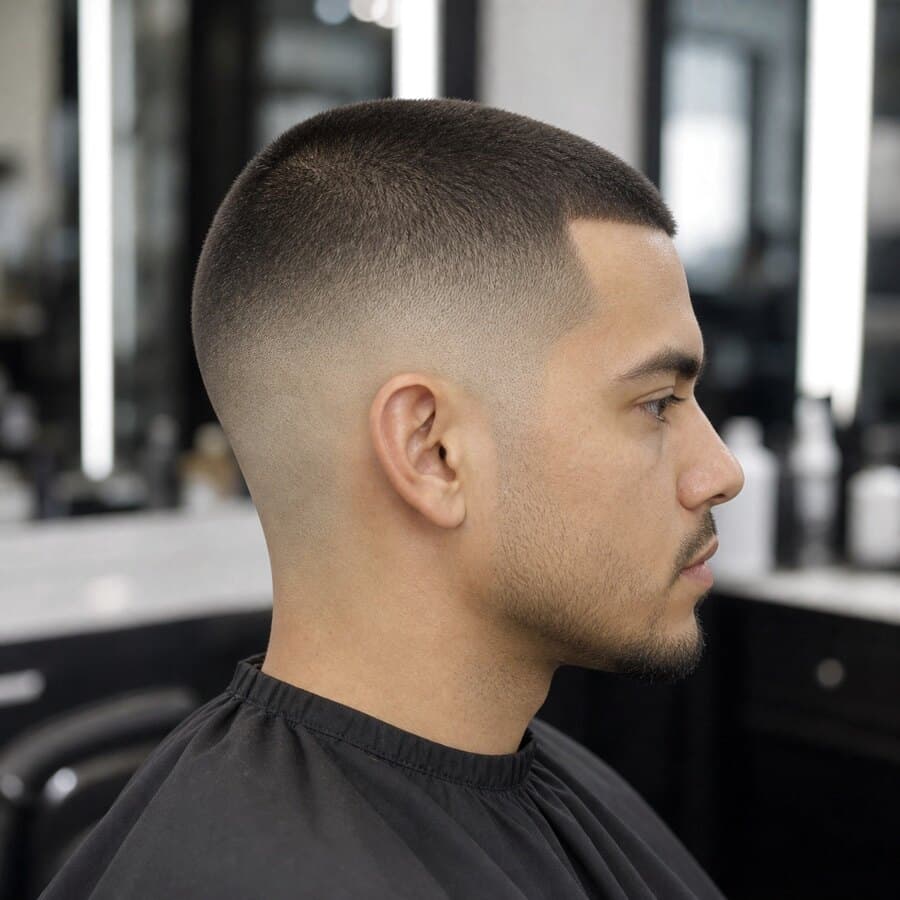
A buzz cut with the fade kept low, giving a cleaner edge without exposing as much of the side.
Illustrative only. Not a prediction or barber-reviewed reference.

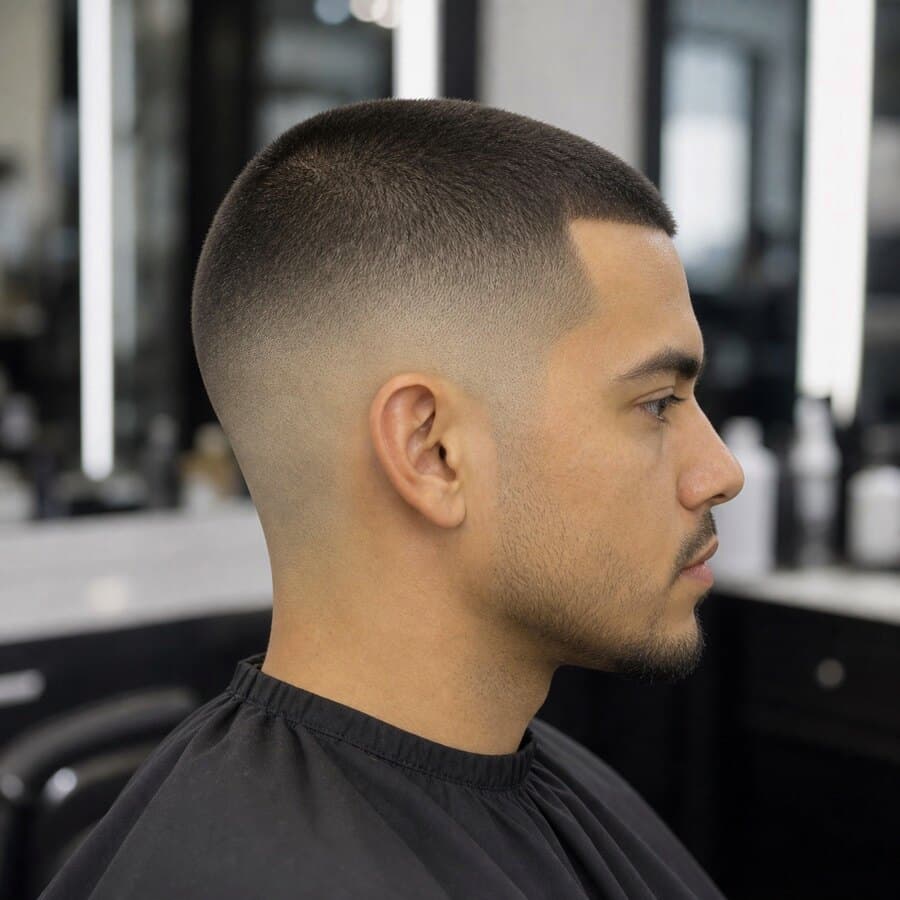
A buzz cut with a low taper around the sideburns and neckline, giving clean edges without a full side fade.
Illustrative only. Not a prediction or barber-reviewed reference.

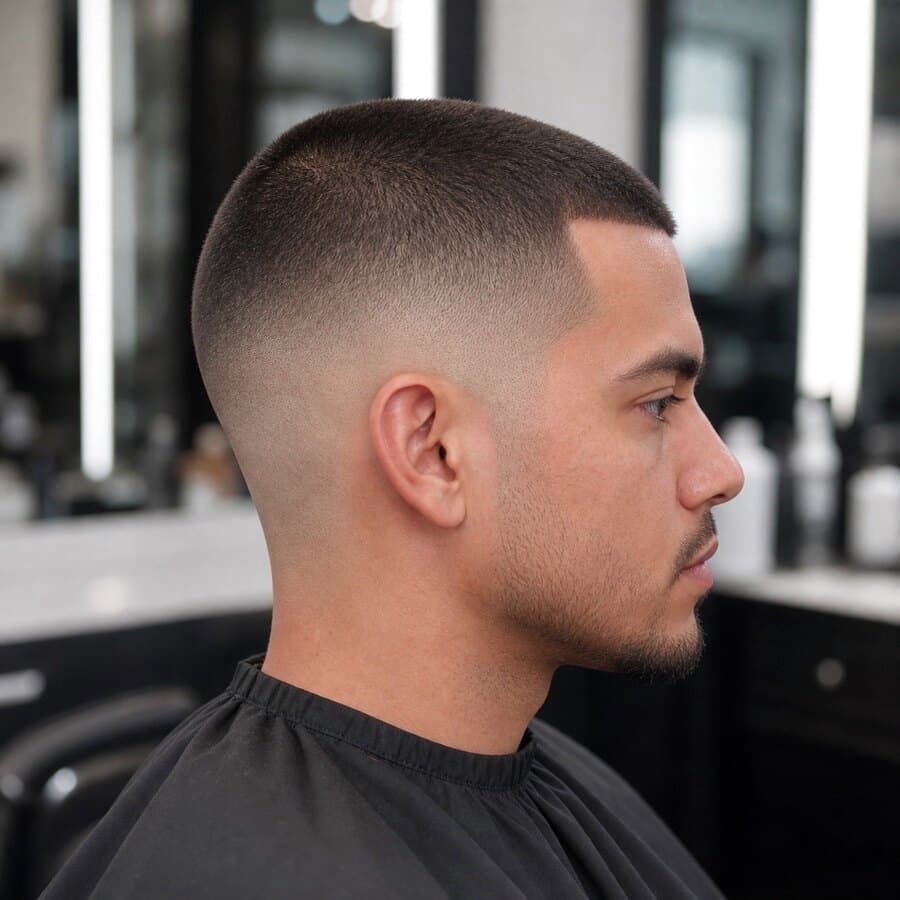
A buzz cut with tapered edges, useful when you want the top very simple but the perimeter clean.
Illustrative only. Not a prediction or barber-reviewed reference.

A low taper for coily hair that keeps the natural top shape while cleaning the sideburns, temple, and neckline.
Illustrative only. Not a prediction or barber-reviewed reference.
Quick answers
Answers reflect common usage, not universal standards. Your barber's wording wins any disagreement.
They sit at a similar height, but usage varies by shop. A low fade usually blends higher up the side with clippers, while a low taper focuses on the sideburn and neckline edge. Describe both the height and the shortest point so there is no ambiguity.
Usually a soft tapered edge rather than bare skin. If you want the very bottom taken to skin, say so explicitly — that changes the upkeep schedule too.
Yes, that is the main appeal. A low taper cleans the perimeter while leaving the top's length and texture almost untouched.